5 min read
A Redesign Won't Fix a Message That Was Never Clear

Share
Most companies think their website problem is a design problem. It's actually both, and that combination is exactly what makes it hard to fix.
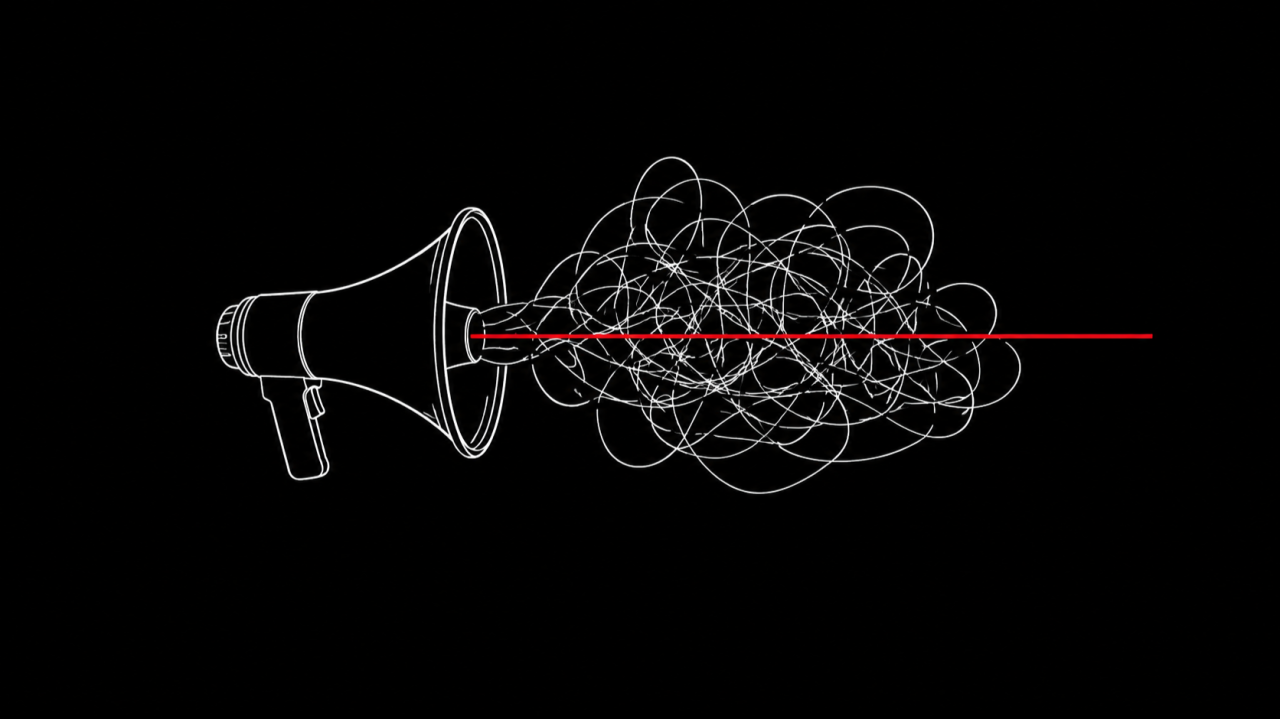
A website that looks polished but doesn't convert usually has a messaging problem, not a design problem. Visitors leave confused about what you actually do, not because the site looks bad, but because the message underneath it was never clear to begin with. Design can only carry a message that already makes sense.
Why a Good-Looking Site Can Still Fail
You need a site that looks sharp and functions well. That part isn't optional. But you also need to say what you do in a way that makes sense right away, and getting both of those right at the same time takes real work.
It's a lot of back and forth. Cutting things down. Being honest about what actually matters to say before anyone touches a design file. Most teams skip that part, or rush it, because design feels like the tangible deliverable and messaging feels like something you can figure out along the way. You can't. Not really.
How to Tell When Messaging Is the Real Issue
When the messaging side is off, you can feel it everywhere, not just on the homepage. Sales says one thing. Marketing says another. Even a well built site ends up trying to cover all of it at once, because nobody made the call on what the site is actually supposed to say.
Visitors show up, look around, and leave without really understanding what you do. That happens no matter how nice the site looks, because clarity and aesthetics are solving two different problems. A beautiful site with a muddled message just delivers the confusion faster and in higher resolution.
This is usually the moment a business owner assumes they need a redesign. Sometimes they do. But more often, they need to figure out what they're actually trying to say before anyone picks a font or rebuilds a homepage.
What It Looks Like When You Get Both Right
When you get the clarity right and pair it with design that actually reflects it, that's when a website starts working the way it should. It becomes the thing that explains you clearly and looks like it belongs to a real, credible company. Those two things reinforce each other instead of competing.
Sales conversations get easier too, and this part matters more than most people expect. People already understand the basics before they show up to a call. You're not spending the first ten minutes explaining what you do. You're talking about whether you're the right fit, which is a much better use of everyone's time.
That's the actual return on getting messaging right. It's not just a better-performing website. It's shorter sales cycles, fewer "wait, so what do you guys do exactly?" moments, and a marketing and sales team that are finally saying the same thing.
Frequently Asked Questions
Q: How do I know if my website's problem is design or messaging? A: Ask what a first-time visitor would say your company does after 10 seconds on the homepage. If the answer is vague or inconsistent across your team, the problem is messaging, not design. A redesign won't fix an unclear message; it'll just present it more attractively.
Q: Can messaging and design be fixed at the same time? A: They can, but messaging needs to come first, even if the timelines overlap. Design decisions like layout, hierarchy, and what gets emphasized should follow from a clear message, not the other way around.
Q: Why do sales and marketing often say different things about the same company? A: Usually because no one made a firm decision about the core message, so each team fills the gap with its own version. That inconsistency is a symptom of unresolved messaging, not a communication problem between departments.
Q: Is a messaging problem the same as a branding problem? A: They're related but not identical. Branding covers how you sound and look. Messaging covers what you're actually saying and whether it's clear. You can have strong branding and still confuse visitors if the underlying message isn't sharp.
Q: What's the first step to fixing unclear messaging? A: Get honest about what you actually do, who it's for, and why it matters, before touching design. That usually means cutting content down, not adding more, and making real decisions about what the site is and isn't trying to say.
Related Blogs
Lorem ipsum dolor sit amet, consectetur adipiscing elit, sed do eiusmod tempor incididunt ut labore et dolore magna aliqua. Ut enim ad minim veniam, quis nostru.

Why Digital Ads Are More Important Than Ever
Most businesses nowadays operate online or at the very least have some sort of an online presence. And that’s for a good reason. People spend large parts of their day scrolling through social media, chatting with friends, or looking up different topics on Google. That’s why if you want to get your company and product in front of its target audience, the best way to do that is by creating digital ads. Additionally, due to the COVID-19 crisis that we’ve all had to face, more and more people have started doing their shopping entirely online, which further emphasizes the need for digital marketing.

How QR Codes Can Help Your Marketing Strategy
Nowadays, people use their phones at all times and for all sorts of tasks: talking to friends, posting on social media, shopping, listening to music, and many other everyday activities. Because of that, businesses are constantly on the lookout for ways to make themselves even more digital so that potential customers can access their products or services even faster.

How To Build a Strong Brand in 5 Simple Steps
Creating a brand is about much more than just designing a logo or coming up with a catchy slogan. The brand identity of your company is its “soul”. It represents what you stand for, why you do what you do, and how your business impacts the world. If you have a strong brand identity, your customers will be able to recognize you instantly through the way you deliver your messages and design your visuals. Building a brand identity can be challenging for business owners of all experience levels. Keep reading to learn about five simple steps that will help you create a strong, recognizable brand.
Reimagine Your Digital Impact
Transform your website, pitch decks, sales collateral and more, all with transparent, upfront, pricing.