5 min read
Effective Storytelling in Marketing: Liquid Death

Share
Marketing without a story fails every time.
In the ever-changing landscape of marketing, one thing remains constant: the undeniable power of storytelling. Storytelling isn't just a technique; it's a fundamental human experience that transcends cultures, generations, and mediums. From ancient cave paintings to modern blockbuster films, stories have been the glue that binds societies together, and the same principle holds true in the realm of marketing.
In this digital age, where attention spans are fleeting, and competition is fierce, mastering the art of storytelling is more crucial than ever for businesses looking to stand out and succeed.
Why Does Storytelling Matter in Marketing?
In this world saturated with advertisements, consumers are becoming increasingly good at tuning out traditional marketing messages. This is where storytelling shines. A well-crafted story has the ability to forge an emotional connection with the audience. When people relate to characters, situations, or values in a narrative, they become more than just passive consumers; they become active participants in the brand's journey.
A compelling story has the power to leave a lasting impression on your audience, making your brand more memorable in a sea of options. Sharing stories of challenges, triumphs, and even failures humanizes your brand and makes it more relatable. When your audience feels like they know your journey, they're more likely to trust your intentions.
Storytelling Marketing that Kills:
Liquid Death is a brand that's turning the bottled water industry upside down with its ingenious storytelling marketing. I think most consumers and maybe some marketers overlook the amount of effort that went into creating and marketing the story behind Liquid Death.
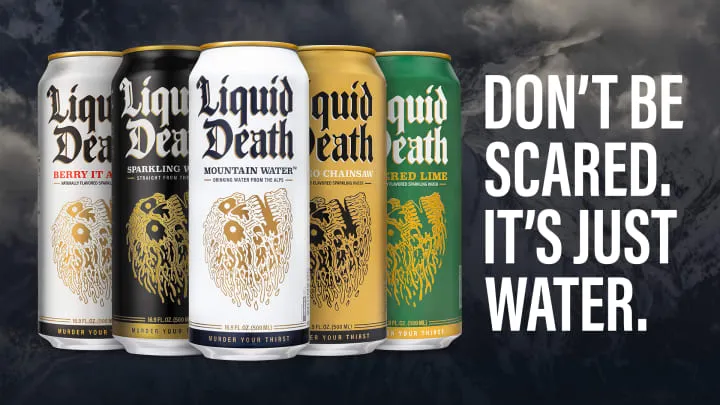
Why on earth would anyone create a brand called Liquid Death for a product as simple as water? Let's be honest Liquid Death is a terrible name for any product. Plus, it’s packaging is confusing. And there are literally hundreds of companies selling bottled water. Why would a consumer care about buying their water?
Liquid Death Mission Statement clearly outlines why they do what they do - "We’re just a funny beverage company who hates corporate marketing as much as you do. Our evil mission is to make people laugh and get more of them to drink more healthy beverages more often, all while helping to kill plastic pollution."
- Breaking the Mold: Well, that's the brilliance of it! Liquid Death needed to not only stand out amongst all the water companies but they needed to create a reason why people would care about their new water company. From their name to their products, they focus on challenging the status quo of water products and what consumers should expect from water companies. At the heart of Liquid Death’s story is inspiring others to care about more than just their water.
- A Gulp of Unorthodox Storytelling: Their storytelling is so bizarrely refreshing it's almost like a splash of ice-cold water to the face. Liquid Death doesn't just sell water; they sell an experience, a lifestyle, and a brand philosophy that resonates with a particular kind of audience – the rebels, the humor-lovers, the ones who aren't afraid to stand out. And simultaneously calls out the issues with the water industry and how they are changing them.
- The Liquid Death Aesthetic: Their branding draws inspiration from the world of heavy metal, complete with skull imagery, dark aesthetics, and a vibe that's edgy and unique. But here's where the magic happens – they've seamlessly blended this ominous vibe with a tongue-in-cheek sense of humor that keeps the tone light and relatable. But more importantly connects the story with the visuals. They play on the irony of it all and make it instantly “cool”.
- The "Murder Your Thirst" tagline: Now, let's talk about one of their standout storytelling campaigns – "Murder Your Thirst." Imagine a scenario where canned water decides to take on the plastic bottle industry, pitting itself against the wastefulness of single-use plastic. Sounds like a David vs. Goliath story? You got it. Liquid Death personified their canned water as the hero ready to tackle the plastic problem head-on, all while maintaining their rebellious, anything-goes attitude.
- Cultivating a Fan Base: Liquid Death doesn't just have customers; they've created a community of fans who genuinely connect with their brand identity. Social media platforms have become a playground for their offbeat humor, featuring memes, unconventional product shots, and even a "death wish" campaign where fans can request creative stunts for them to perform. This interaction isn't just marketing; it's building relationships.
Liquid Death's success story is a testament to the power of storytelling, along with pushing boundaries and embracing what makes your brand unique. Their storytelling isn't just about selling water – it's about creating an entire experience that resonates with a specific audience. By being bold, fearless, and unapologetically different, Liquid Death has tapped into a market that's thirsty for something new and exciting.
How can you begin to apply what Liquid Death does to your marketing?
Here are 5 things to define and understand before you begin crafting your story:
- Know Your Audience: Who are you talking to? Tailor your messaging to resonate with your target audience's values, interests, and pain points. The more relevant your story is to them, the stronger the connection will be.
- A Compelling Protagonist: Your brand or customer should play the role of the protagonist in your story. Highlight their journey, struggles, and transformation over time. Conflict and Resolution: Every good story has a conflict that the protagonist must overcome. This mirrors the challenges your customers face and positions your brand as the solution. What problem does your product or service solve?
- Authenticity: Authenticity is key to building trust. Be transparent and genuine in your storytelling, even if it means sharing vulnerabilities. Define the tone and language your marketing will use.
- Visual and Emotional Appeal: Engage your audience's senses with descriptive language and visuals. Emotions drive action, so evoke feelings that align with your brand's message.
- Consistency: Weaving everything together consistently throughout your marketing is the key to excellent storytelling marketing. Over time, this consistency builds a strong brand identity. As you add new campaigns or products it is vital they stay in line with the story you are already telling.
Storytelling isn't just a marketing technique; it's like a magic wand that casts a spell on your audience. It connects, engages, and makes them root for you. When done right, it transcends the role of sales pitch and becomes a bridge that connects brands with their audience on a deeper level. In a world where everyone's vying for attention, telling a great story is your secret weapon. So – what story are you telling?
Related Blogs
Lorem ipsum dolor sit amet, consectetur adipiscing elit, sed do eiusmod tempor incididunt ut labore et dolore magna aliqua. Ut enim ad minim veniam, quis nostru.

9 Call to Action Best Practices
When determining the best marketing strategy for your business, it is essential that you take a close look at your calls to action. The call to action, or CTA, could be considered the most important part of your copy. It is the part that motivates potential customers to take action (buy, sign up, visit a page, etc.) while providing them with the necessary steps for what to do next. For this reason, creating a powerful and memorable CTA for your web copy and sales copy is vital to your company’s overall success. Keep reading to learn more about CTA best practices that will improve your marketing strategy and help you convert leads more effectively.

Landing Pages vs. Websites
The core differences between landing pages and websites can be hard to figure out, especially if you are new to the world of digital marketing. Landing pages and websites play off one another and work together to form a cohesive brand and build trust and interest in your customers and leads. Though there are similarities between landing pages and websites, the two have some important distinctions that boil down to their purpose. Keep reading to learn about some of the differences and similarities between landing pages and websites before you take the plunge and start creating your own (or before your hire someone else to help you)!

What Is Story Marketing & Why Does It Matter?
People generally dislike advertisements. They resent feeling bombarded by ads as they go about their daily lives, and according to survey results reported by HubSpot, 91% of consumers say this intrusive feeling has gotten worse in the past several years. That’s why many experts claim that the future of marketing lies in storytelling. This article will talk about what story marketing is, why it’s predicted to be the next big thing in the digital marketing industry, and what makes it an effective strategy. Along with that, we will provide you with some tips on how you can incorporate storytelling into your own advertising efforts in order to make them more successful. Let’s get started!
Reimagine Your Digital Impact
Transform your website, pitch decks, sales collateral and more, all with transparent, upfront, pricing.