5 min read
Every Brand Leaves a Digital Footprint


Share
The question is whether it is intentional
Every brand leaves a footprint online. Planned or not.
That footprint is what we call Digital Impact™.
It is not only about how your brand looks. It is about how it is experienced by the people interacting with it every day.
Those experiences define how your brand is perceived when you are not part of the conversation.
Digital Impact™ Is More Than Design
Digital impact is often reduced to visuals. Logos, colors, and a polished website.
That is only one part of the picture.
Real Digital Impact™ shows up in practical places:
- How your internal processes work. Your systems either support clarity or create confusion.
- How your website builds confidence. Clear structure and messaging reduce friction and increase trust.
- How clearly your story comes through. People should understand what you do, who it is for, and why it matters quickly.
These elements directly influence trust and credibility.
What People Say When You Are Not There
Your digital presence keeps working even when you are offline.
People form opinions based on:
- How easy is your brand to understand
- How organized your business appears
- How intentional your systems feel
Those impressions shape your reputation.
The Common Mistake: Starting at the Top
Many brands rush into content, ads, and campaigns.
They skip the foundational work.
The result is more activity without more clarity. More effort without better results.
Real Digital Impact™ Starts With the Foundation
Strong brands focus on order, not volume.
They build:
- Clear strategy
- Aligned systems
- A website that supports the business
Once the foundation is solid, content performs with purpose.
Reframing Content Placement
Content plays a role in growth, but only when it is placed intentionally.
Where content lives affects how it is understood and how it performs.
This is where clarity starts.
Related Blogs
Lorem ipsum dolor sit amet, consectetur adipiscing elit, sed do eiusmod tempor incididunt ut labore et dolore magna aliqua. Ut enim ad minim veniam, quis nostru.
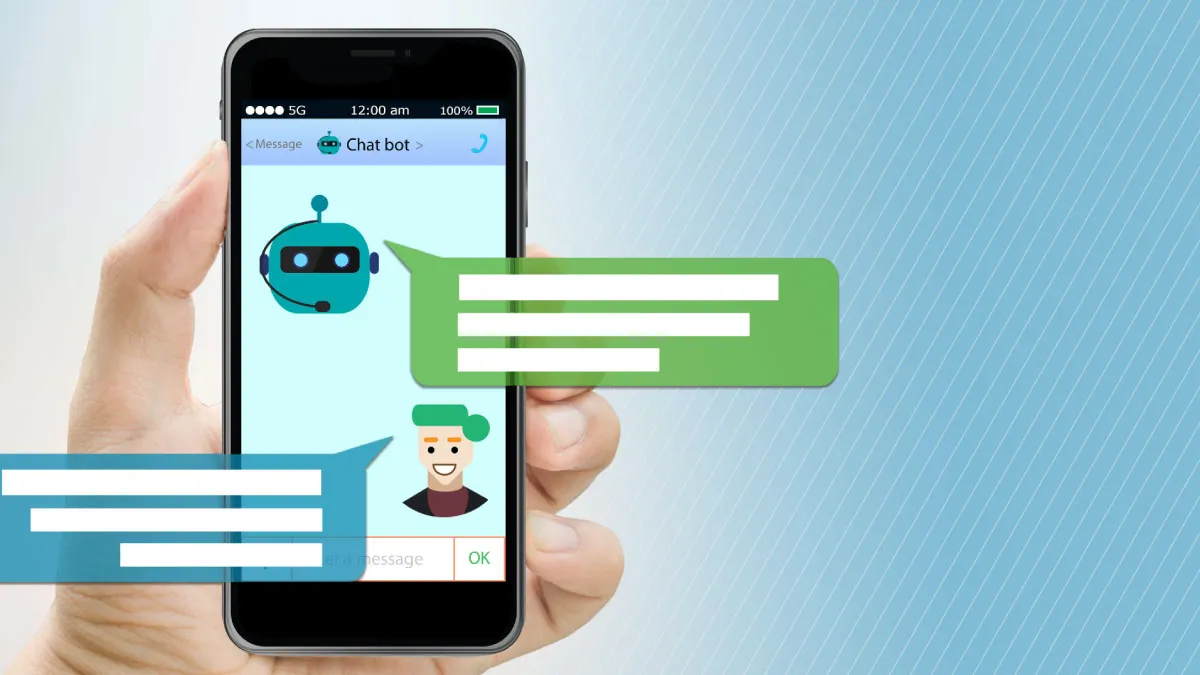
Why Use Chatbots for Marketing
Phone calls are going out of style. An ever-growing number of consumers elect to get their inquiries answered online through text-based platforms rather than speaking directly to a human representative. This is where chatbots come in, as they allow you to provide your customers with prompt and efficient service at any time of day, and they help your marketing and sales teams catch a break. So how do chatbots work in marketing?

Design Thinking
How do marketers, product designers, business strategists, and everyone else in your organization make decisions? There are a lot of different ways to come up with product ideas, generate marketing campaigns, and make executive business-altering decisions. Perhaps you use mountains of data to make the most statistically informed choices, or maybe you gather customer feedback and get advice right from the source. Though these methods have their merits, they can be drastically improved when you implement design thinking.
Reimagine Your Digital Impact
Transform your website, pitch decks, sales collateral and more, all with transparent, upfront, pricing.