5 min read
How to Build Your Personal Brand Like a Project Manager


Share
Having a personal brand is essential to your professional success because it communicates who you are, what your specialty is, what principles structure your life, and what people can expect from you. Presenting a clear and cohesive message about your goals, your passions, and what you are trying to accomplish can attract the right people to you, no matter your area of expertise.
Project managers excel at identifying strengths and potential roadblocks and ensure that their team reaches important goals in the most efficient way possible. In other words, there’s a lot to learn from them! Keep reading to learn how to build your personal brand like a project manager.
Identify Your Purpose
In a modern environment where consumers have many outlets to voice their preferences, purpose-driven branding is essential to success. “Purpose” is simply the reason that we do things—our intentions and motivations.
The younger generations are increasingly more aware of the beliefs and values that represent their purpose and who they are in the world. This means they’re also more aware of the intentions of businesses and brands. In fact, transparency is one of the most critical factors when it comes to successfully marketing to Gen Z. The more sincerity with which you can demonstrate a truthfully authentic purpose, the better you will be able to connect with your audience.
Decide How to Measure Success
Relationships are one of the best gauges of the success of your brand. You will know if your branding is working by who is reaching out to speak with you about what you’re doing. Every point of contact with your customers presents an opportunity to seek feedback and further sharpen your message and your brand.
Of course, data is critical to the success of businesses—the more you can track performance-related details about specific elements of your branding effort, the more control you will have in making informed decisions about where to concentrate your effort and what to change if necessary.
Tracking leads and referrals is a great way to better understand the quality and performance of your branding. You can use tools like Google Analytics to understand how often customers are looking for your brand and where these visitors come from.
Decide on Your Investment
What are you personally willing to invest in when creating your brand? There are risks and rewards in every investment, and you need to identify your own risk tolerance. Though you may invest money into your business or your projects, one of the biggest investments you’ll make is time.
If you’re just getting started with creating your personal brand, you should determine how much time you’re willing to spend on developing it on a daily/weekly basis. This is also an excellent time to create goals regarding “returns,” or personal growth, based on how much you’re investing into your brand.
Identify Your Stakeholders
Stakeholders are the crucial people with whom to consult about whether your current brand is working or not. Employees, customers, and investors are some examples of key stakeholders that can give you insight into how you should brand yourself.
If you have employees, they should understand your brand—and believe in it—to deliver a positive experience to other stakeholders. Ensuring your personal brand properly represents you also helps you attract the talent you want! Additionally, the quality of a personal brand reportedly has a significant effect on stakeholders’ opinions.
Of course, your potential customers and investors are stakeholders as well. When you work on your personal brand, you’re changing the way these potential stakeholders see you. Whether you want to improve your personal brand to be noticed by better employers or to attract more of your own clients, keeping stakeholders in mind is essential.
What Are Your Resources and Deliverables?
Much like a project manager lays out all of their available resources and scheduled deliverables to make a plan, you should too! Resource planning allows you to take a step back and think about what you want to create. What are you currently offering your clients or your potential employers? What resources do you have at your disposal?
For example, if you want to improve your personal brand to grow your small furniture crafting business, you should consider what precisely you wish to offer your customers. Perhaps you want to limit the products or services you offer, maintain a specific timeframe for projects, and ensure that customer service is always fantastic. To do this, you need to consider what resources you have available to you. These might include things like time, materials, customer service assistants, etc.
Make a Solid Plan
The best way to start executing your personal branding strategy is to write it down! Having a roadmap can give you a starting point as you try to bring all of these different steps together. Start by describing your main idea; brainstorming words that adequately describe each of the component pieces you need is a great place to start. Making a medium- and long-term plan will give you more structure and continuity in the long run.
Madak can help you get started with making a plan for success. Please reach out today to learn more about creating your own personal brand or your business’s brand!
Related Blogs
Lorem ipsum dolor sit amet, consectetur adipiscing elit, sed do eiusmod tempor incididunt ut labore et dolore magna aliqua. Ut enim ad minim veniam, quis nostru.
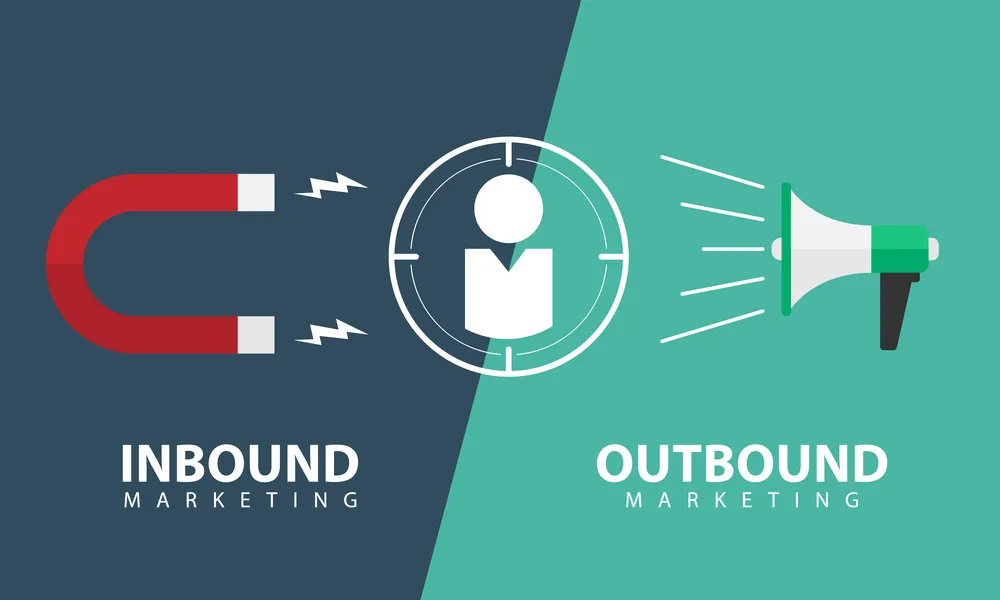
Inbound vs. Outbound Marketing
Marketing strategies are constantly evolving and improving, and it’s essential to stay up to date. Two well-known strategies include outbound marketing and inbound marketing. These ‘strategies’ may be thought of as ‘concepts’, as they are overarching approaches to marketing as opposed to a specific tool or process. Both outbound and inbound marketing come with their own tools and tactics. Keep reading to learn about the differences between these strategies and familiarize yourself with the benefits of both!
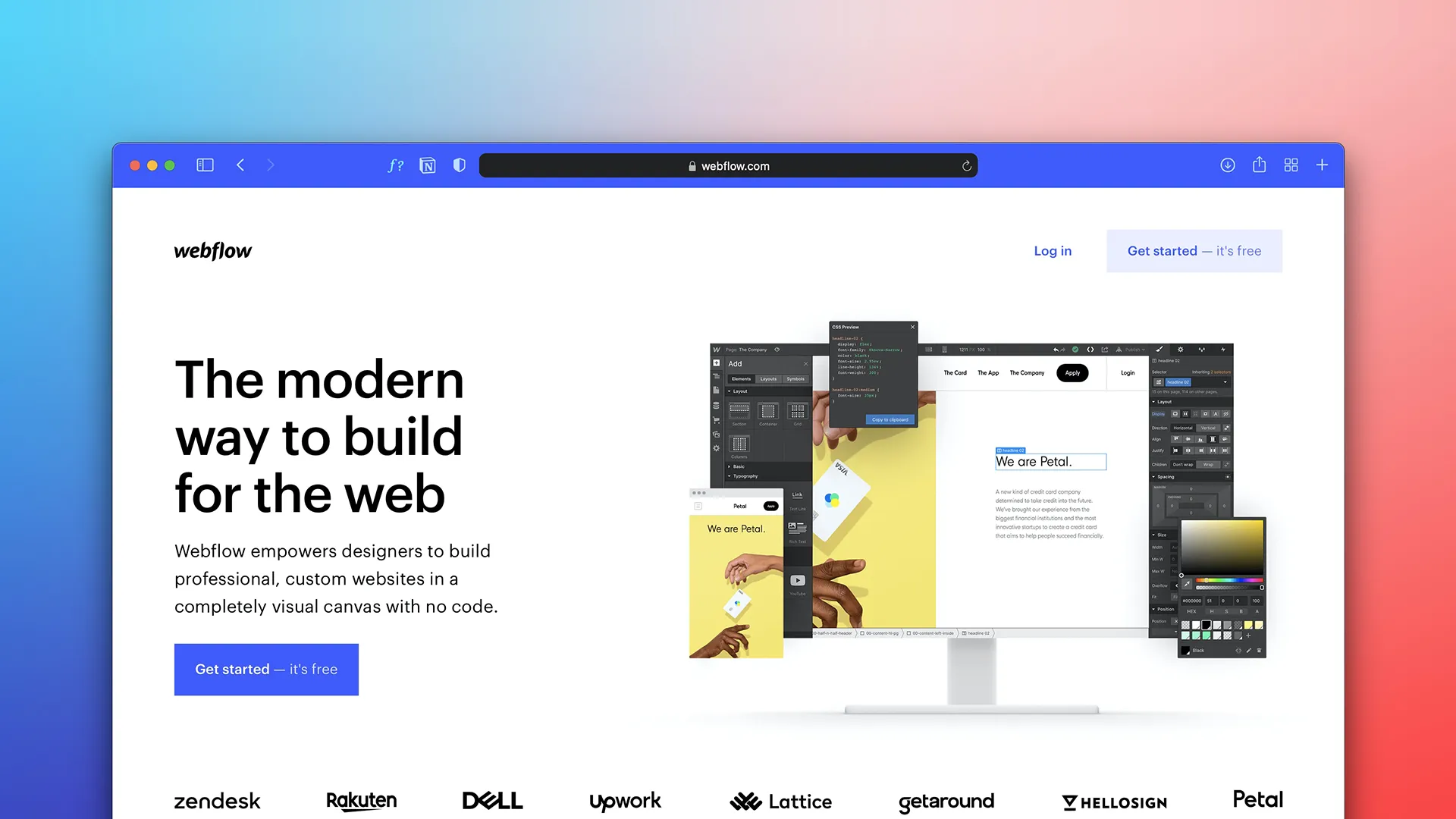
Why Build Webflow?
One of the services Madak provides is website development and management. It doesn’t matter what platform your company is currently using, Madak recommends switching to Webflow. Why Webflow? Webflow is convenient and easy for all users. Keep reading to find out why Madak suggests Webflow!

Why Use Chatbots for Marketing
Phone calls are going out of style. An ever-growing number of consumers elect to get their inquiries answered online through text-based platforms rather than speaking directly to a human representative. This is where chatbots come in, as they allow you to provide your customers with prompt and efficient service at any time of day, and they help your marketing and sales teams catch a break. So how do chatbots work in marketing?
Reimagine Your Digital Impact
Transform your website, pitch decks, sales collateral and more, all with transparent, upfront, pricing.