5 min read
Most Frequently Asked Marketing Questions Answered


Share
With the rise of the digital age, the marketing industry has gotten even more complex—sometimes, it feels like a massive puzzle that needs to be solved. No matter the size of your business or the extent of your marketing experience, a few questions are likely at the forefront of your mind at all times. Keep reading to get the answers.
What’s the best channel for generating quality leads?
Generating leads is one of the primary goals of all marketing strategies. Without leads, there would be no customers and no revenue. In the last several decades, marketing has shifted from “traditional” channels like print ads, television ads, flyers, and snail-mail to largely internet-based channels.
The internet is vast, which means there are many places where leads may be waiting for you. Some of these include social media platforms like Instagram, Facebook, LinkedIn, TikTok, etc., search engines like Google and Bing, PPC ads, email and SMS inboxes, and more. It’s a good idea to use several channels when marketing as opposed to putting all of your eggs in one basket.
Still, some channels might be more effective than others at producing qualified leads (leads that are likely to convert), and in many cases, that channel is Google and other search engines. This means that Search Engine Marketing (SEM) and Search Engine Optimization (SEO) should be priorities for businesses that want to get high-quality leads.
The reason for this is that when your business is found on a search engine, it’s because people are actively looking for you, your products, or keywords related to your brand. This makes them more qualified leads than people who “accidentally” (passively) view ads or posts on social media or see an email in their inbox.
How do I improve the performance of my campaigns?
It can be disheartening to see campaigns performing poorly or getting fewer leads and conversions than you expected, but don’t worry—you can take steps to get better results. Each marketing channel comes with its own strategies, but there are a few basics that you can apply to any campaign to boost performance. These are A/B testing and data analytics.
A/B testing is used to directly compare the performance of two similar (but different!) things. A/B testing can be used for email drips, sales pages, pop-up ads, PPC ads, and anything else you send out into your marketing channels. This is a very straightforward way of learning about campaign performance and customer preferences, and it’s essential for anyone that wants to get the most clicks and the most leads possible.
For example, if you want to test two different PPC ad texts, schedule the launch of both versions to overlap or closely follow one another and see which one receives more clicks. Now you know which ad style is likely to be more successful in the long run.
Data analytics is another important component of campaign performance. The more data, the better. Social media metrics, data from advertising platforms, and website data can all be used to assess the effect of your marketing choices on lead generation and sales. When you recognize that something works well, you can keep on doing it, and when you see that something doesn’t, you can change it quickly.
How can I get more website traffic?
High website traffic is the ultimate goal. Website traffic means more visibility, more leads, and ultimately more customers. All of the marketing channels mentioned above can help increase web traffic to your site, but if you notice inconsistencies and lulls in the number of visitors you receive, you might want to consider the channels you’re using to attract people.
Paid ads and SEM will likely increase your web traffic pretty noticeably, but if you’re solely focusing on paid channels, traffic can abruptly drop when you stop using these methods. This is because when you stop paying for ads, your visibility decreases, and your website is no longer at the top of any list.
Prioritizing SEO can help you solve this problem. Increasing your visibility organically will take longer than any paid counterparts, but it’s more than worth it in the end. In fact, about 70% of marketers reportedly think that SEO is more effective than PPC ads. If you focus on SEO by making optimized organic content, improving the UX of your website, using relevant keywords in your posts and articles, etc., you can steadily build your online presence.
Is Search Engine Optimization really that important?
SEM often involves paid placements on search engine results pages (SERPS) for specific keywords and within certain geographical areas. This can be pretty effective, and marketers can usually see results in a short period of time. But beware—as we mentioned above, this visibility and attention are only present while you’re paying for it.
SEO is crucial for businesses that want to succeed in the long run. It’s the chess to SEM’s checkers. SEO often takes more time, planning, and research, but it also helps your brand cement its place as an authority in your industry and gain customers’ trust.
It’s been reported that 53% of website traffic comes from organic search, as many internet surfers skip over the paid ads on SERPs. This means that at least half of people click on high-ranking organic results first. Now is the time to invest in stellar SEO.
Should I start a blog on my website?
Put simply, yes. Blogs help with SEO, improve the customer journey, and make your brand seem more knowledgeable and sincere.
Posting keyword-optimized organic content on your blog helps you rank higher on search engine results pages and increases your overall visibility. Having more pages under your domain also makes it more likely that other sites will backlink to you, which helps with SEO.
In addition, high-quality content provides “free” value to your leads and customers, making a good impression and putting your business in a good light. Not only are you providing them with helpful information, but you aren’t asking anything from them in return. This builds trust and credibility and makes you stand out as a source of knowledge in your industry.
The Bottom Line..
Sometimes it seems like marketing best practices change by the day, and it can be challenging to know if you’re on the right track. Knowing the right questions to ask is half the battle—the other half involves generating quality leads with high-performing campaigns and improving your brand visibility and website traffic with SEM, SEO, and a multitude of other marketing channels.
Want some guidance as you craft the perfect marketing strategy? Madak can answer even more of your marketing questions and help you create the high-performing campaigns you need to succeed.
Related Blogs
Lorem ipsum dolor sit amet, consectetur adipiscing elit, sed do eiusmod tempor incididunt ut labore et dolore magna aliqua. Ut enim ad minim veniam, quis nostru.

Creative Assets: 6 Types You Need for Your Content Marketing Strategy
A large part of creating a successful marketing strategy has to do with the content you produce. Humans are visual creatures, and when you add creative assets into your marketing campaigns, you engage with your leads and your customers in a more effective way. Keep reading to get an overview of 6 creative assets that are sure to improve your content marketing strategy.
Taking Your Brand Message to Social Media
Day after day, people are exposed to marketing through emails, social media posts, digital ads, and more. To stand out, your brand message has to be unique and impactful. Not only do you need to decide what your message is, but also how you want to share it to ensure that it doesn’t get lost in the crowd. Your brand messaging helps dictate how buyers and leads relate to your brand. This messaging can inspire, persuade, educate, entertain, and motivate. In the end, the goal is to get people interested in your products and services as well as your brand as a whole. This kind of support generates more loyal and long term customers. So, how do you get started with taking your brand’s message to social media? Keep reading to find out.
Madak Agency: Case Study - Windermere Real Estate
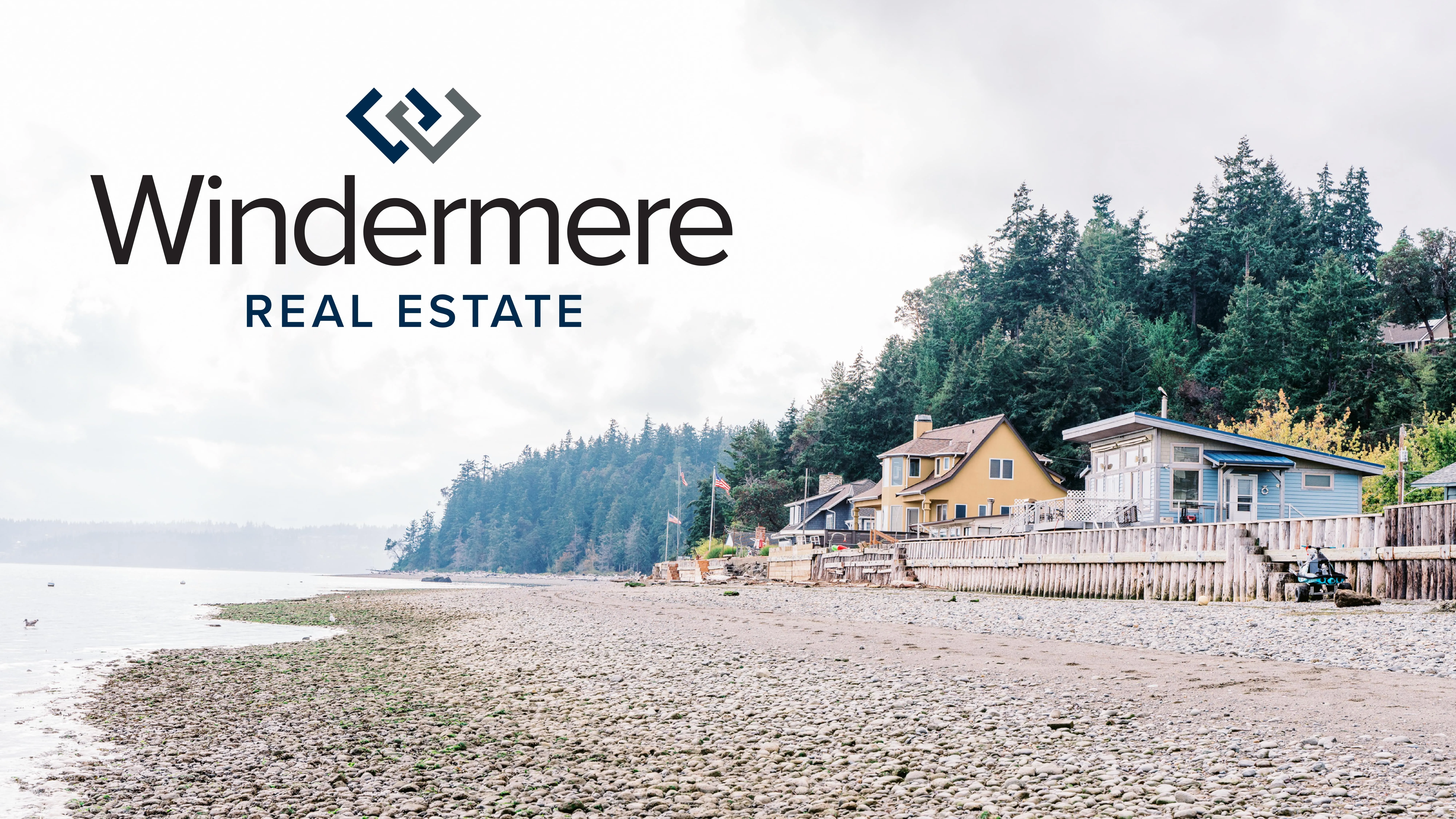
‘Windermere Stanwood and Camano Island’ is a regionally renowned real estate franchise, and sells properties in a beautiful, but lesser-known region of the Pacific Northwest. Our partnership centered around building a healthy lead generation stream by developing eye-catching creative assets, a laser-focused digital ad strategy, experiential local campaigns and outreach, and drawing in customers from nearby metro areas.
Reimagine Your Digital Impact
Transform your website, pitch decks, sales collateral and more, all with transparent, upfront, pricing.