5 min read
Stop Chasing Tools. Start With Your "Why."

Share
Every few months there's a new platform, a new AI tool, a new "must-have" for marketing teams. The pressure to adopt it before your competitors do is real. But adopting change for the wrong reasons is one of the fastest ways to waste a budget and confuse your own team.
Before you redesign a website or roll out a new tool, get clear on your purpose and your audience first. Companies that skip this step end up with websites that say too much or say nothing, brand voices that fracture across channels, and teams pulling in different directions. Strategy has to come before execution, not the other way around.
Purpose Is the Filter, Not an Afterthought
New tools and platforms aren't the problem. Chasing them without a clear reason is. If you don't know what you're trying to achieve, or who you're actually trying to reach, every decision downstream inherits that confusion. Your website tries to speak to everyone and ends up speaking to no one.
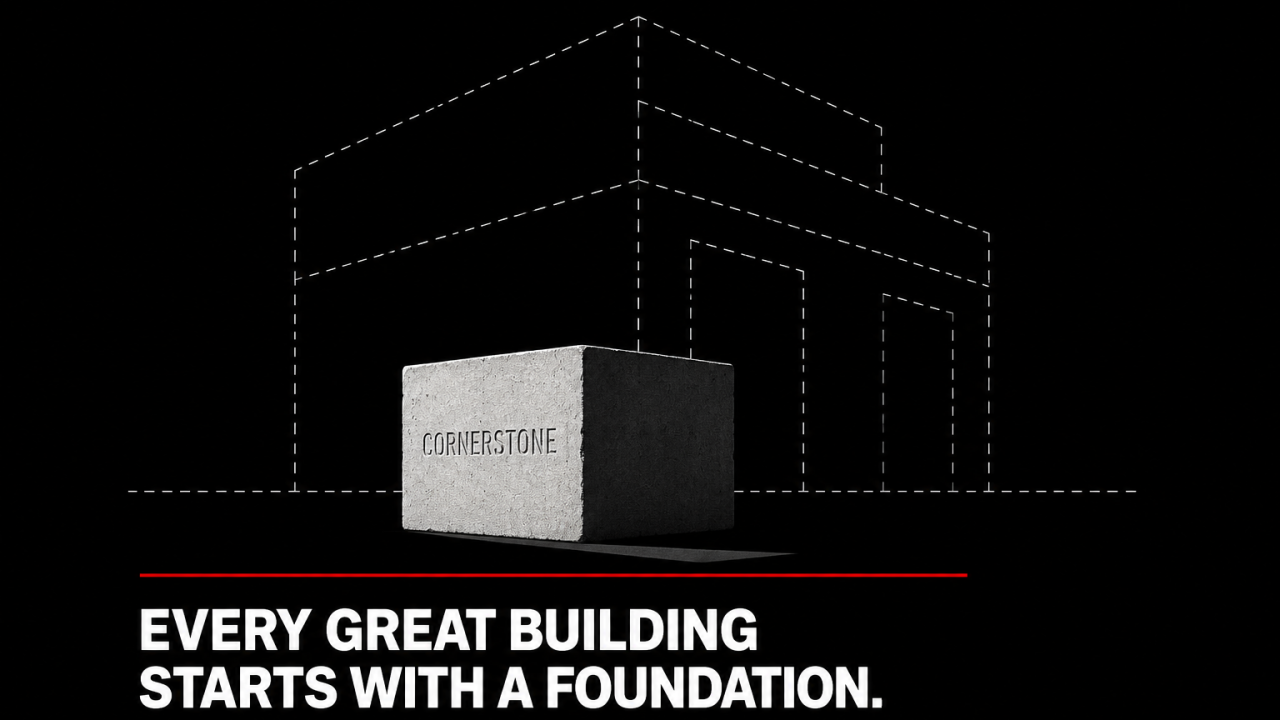
This isn't a call to slow down for the sake of it. It's a call to slow down long enough to get the foundation right, so the rest of the build actually holds weight. A website built on unclear positioning doesn't get fixed by better design. It gets fixed by better clarity.
When You Know Your "Why" and "Who," Everything Else Gets Easier
Once purpose is defined, the decisions that used to feel overwhelming start making themselves. Building a new website stops being a guessing game about layout and starts being a straightforward translation of a message you already know. Rolling out an AI tool becomes a question of "does this serve our purpose," not "does this look impressive."
Messaging and visuals aren't separate problems to solve once the foundation is set. They're natural extensions of it. Teams that skip straight to tactics without this groundwork tend to relitigate the same decisions every few months, because nothing was anchored to begin with.
The Cost of Skipping the Foundation
A fractured brand voice doesn't happen all at once. It happens one unclear decision at a time: a website page written by someone who didn't have a clear brief, a social strategy built around a platform trend instead of an audience need, a redesign chasing what a competitor did last quarter. None of these decisions are wrong in isolation. Together, without a shared "why," they add up to a brand that feels inconsistent.
That inconsistency shows up as friction, longer sales cycles, more internal debate about "which direction is right," more content that doesn't perform because it was never built around a clear audience in the first place.
Frequently Asked Questions
Q: How do I know if my brand strategy is actually solid before starting a website redesign? A: If you can articulate your purpose and your target audience in one or two clear sentences, and your team agrees on both, you likely have enough foundation to build on. If those answers vary from person to person, that's the gap to close first.
Q: Does this mean we should avoid new marketing tools and platforms? A: Not at all. New tools can be genuinely useful. The issue isn't the tool itself, it's adopting it because it's trending rather than because it serves a purpose you've already defined.
Q: What's the difference between brand messaging and marketing tactics? A: Brand messaging, your core purpose and positioning, should stay stable over time. Marketing tactics, the channels and tools you use to express that messaging, should evolve constantly. Confusing the two is what leads to inconsistency.
Q: We're mid-build and realizing our strategy might be off. Is it too late to fix? A: No. It's easier to course-correct early, but clarifying purpose and audience can be layered into an in-progress build. The sooner it happens, the less rework it requires later.
If You're Mid-Build and Something Feels Off
If you're building a website, planning one, or evaluating a new tool and you're not fully confident your strategy is where it needs to be, that instinct is worth listening to. Let's talk it through.
Related Blogs
Lorem ipsum dolor sit amet, consectetur adipiscing elit, sed do eiusmod tempor incididunt ut labore et dolore magna aliqua. Ut enim ad minim veniam, quis nostru.
Why Madak Creates Brand Guides
Every day we scroll past an almost unbelievable amount of content on the internet. Articles, social media posts, videos, and infographics are around every corner. We are literally surrounded by information; however, we only remember a very small amount of it. Regardless of how consistent you are with posting content, sending out emails, and updating your site, most users who come in contact with your brand won’t remember it for long. So, the question is, how can you get people to remember you and start recognizing your business when they come across it? How can you get users invested in your company and actually pay attention to the content you share? One of the best ways to ensure your brand is identifiable, memorable, and consistent is by creating a brand guide, which is why at Madak, we create brand guides for clients as part of our creative and branding service. But what is a brand guide, and how can it help you stand out? Keep reading to learn more!
These 4 Trends Are Changing the Future of Content Marketing
Although trends have a reputation for being short-lived, these four content trends are taking marketing to an entirely new level through intentional, individualized audience experiences. We are seeing brands meet their fullest potential by fully embracing an authentic and valuable web presence. Four notable tools are redefining what it means to connect with your audience and maximize your marketing efficiency. This blog will cover the importance of utilizing user-generated content, implementing personalized content, taking on the value over volume strategy, and how you can do all that while combatting content chaos. Let’s dive in!
Why Madak Uses Figma
The cloud-based design tool, Figma, enables collaboration and group sharing so everyone has access to important projects. Figma is a go-to tool for Madak, as it provides a multitude of features that make website creation and interface design more productive. It also helps different team members stay on the same page no matter where they’re working from! Keep reading to learn about some of the biggest reasons Madak uses Figma and to get insight into how this tool can empower your own team.
Reimagine Your Digital Impact
Transform your website, pitch decks, sales collateral and more, all with transparent, upfront, pricing.