5 min read
Stop Waiting Until It's Perfect

Share
There's a pattern most teams fall into without realizing it. The website gets one more round of revisions. The messaging gets reworked again. The launch date moves. And the longer it sits, the more precious it becomes, which makes it even harder to ship.
At some point, waiting stops being about quality and starts being about comfort.
The myth of the perfect launch
Most teams believe that if they just get it right before it goes out, the results will follow. So they refine. They workshop. They get more people in the room. They add more words, then cut them, then add them back. The process feels productive because there's always something to improve.
But there's a ceiling to what internal review can actually do for you. Your team is too close to it. They know what you mean even when the words don't quite land. They fill in the gaps automatically. Customers don't do that. They read exactly what's there, and they either get it or they don't.
No amount of internal iteration closes that gap. Only shipping does.
What holding back actually costs you
When teams delay, the conversations about what the company does and who it's for stay hypothetical. Everyone has a theory, but no one really knows how it lands in the real world. The messaging stays abstract. The website stays in a shared doc somewhere.
And the longer it sits, the more people get attached to the version they built in their heads rather than the one that actually needs to exist. Decisions get harder. Consensus gets messier. The thing takes on a weight it was never supposed to have.
Meanwhile, the feedback you actually need is sitting on the other side of publishing it.
What happens when you start moving
You will learn more in the first two weeks after something goes live than in the months you spent building it. Real people reacting in real time will tell you things no internal review ever could.
What confuses them. What resonates immediately. What questions they still have after reading your homepage. What they click on first. What makes them leave.
That's the real brief. That's the information that sharpens your messaging, tightens your positioning, and tells you where to focus next. You can't manufacture that feedback ahead of time. You can only earn it by putting something out there.
Clarity comes from contact, not preparation
There's a tendency to treat launching as the end of the process, the moment when everything has to be right. But it's actually the beginning. It's when the work starts telling you what it needs to be.
The teams that move faster don't do it because they're less careful. They do it because they understand that the market will teach them things they can't figure out on their own. They build, ship, listen, and adjust. That loop is what creates clarity over time, not more time spent before the loop even starts.
A final thought
If you've been sitting on a launch, a page, or a pitch and it doesn't quite feel ready, it might just need a push out the door. The version that ships and gets refined is always better than the version that never leaves the building.
Sometimes a fresh set of eyes is all it takes to get unstuck. If that would help, happy to take a look.
Related Blogs
Lorem ipsum dolor sit amet, consectetur adipiscing elit, sed do eiusmod tempor incididunt ut labore et dolore magna aliqua. Ut enim ad minim veniam, quis nostru.

Inbound vs. Outbound Marketing
Marketing strategies are constantly evolving and improving, and it’s essential to stay up to date. Two well-known strategies include outbound marketing and inbound marketing. These ‘strategies’ may be thought of as ‘concepts’, as they are overarching approaches to marketing as opposed to a specific tool or process. Both outbound and inbound marketing come with their own tools and tactics. Keep reading to learn about the differences between these strategies and familiarize yourself with the benefits of both!
Why Build Webflow?
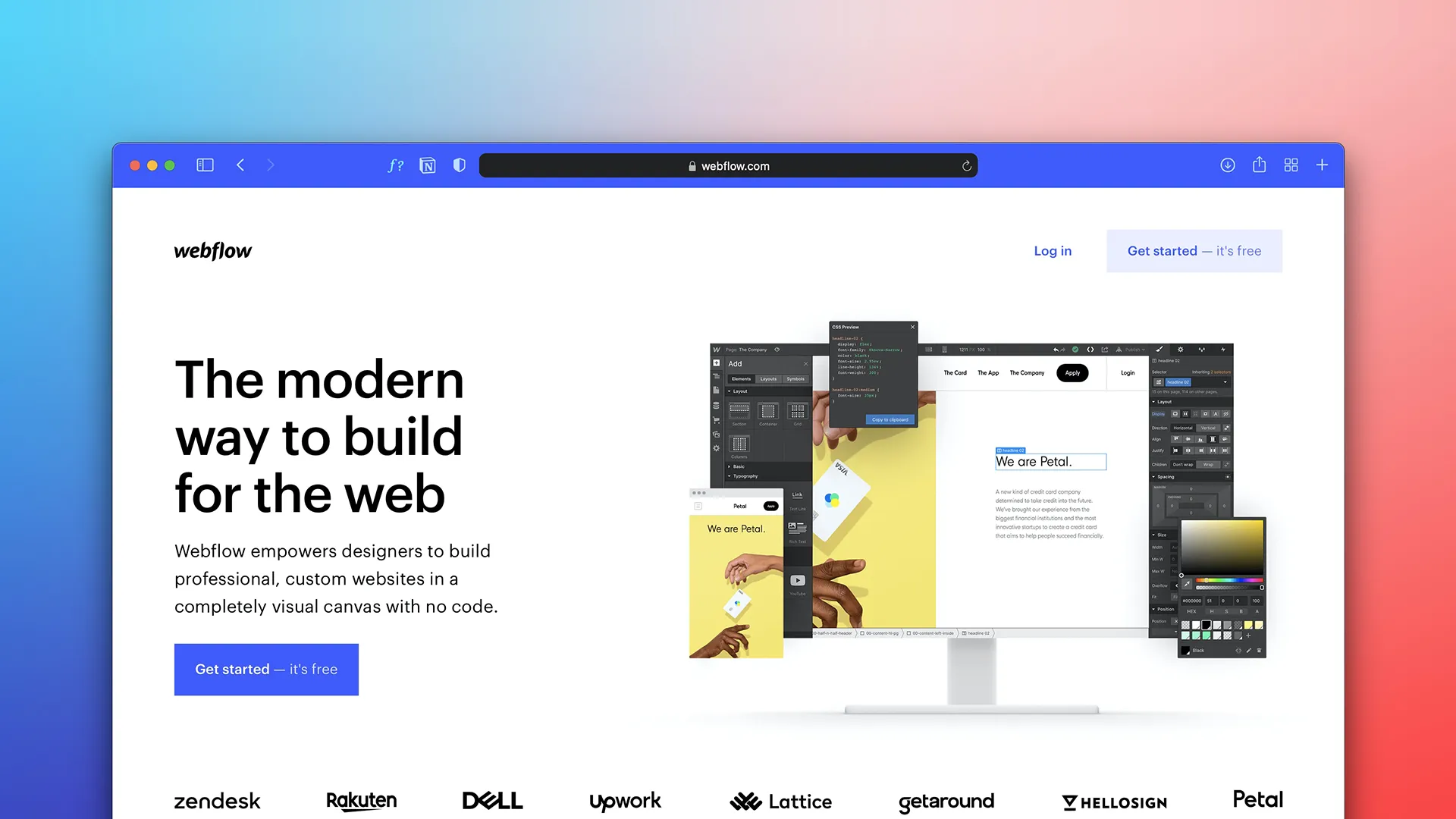
One of the services Madak provides is website development and management. It doesn’t matter what platform your company is currently using, Madak recommends switching to Webflow. Why Webflow? Webflow is convenient and easy for all users. Keep reading to find out why Madak suggests Webflow!

Why Use Chatbots for Marketing
Phone calls are going out of style. An ever-growing number of consumers elect to get their inquiries answered online through text-based platforms rather than speaking directly to a human representative. This is where chatbots come in, as they allow you to provide your customers with prompt and efficient service at any time of day, and they help your marketing and sales teams catch a break. So how do chatbots work in marketing?
Reimagine Your Digital Impact
Transform your website, pitch decks, sales collateral and more, all with transparent, upfront, pricing.