5 min read
Target Audience: How to Define Your Specific Market

Share
What Is a Target Audience?
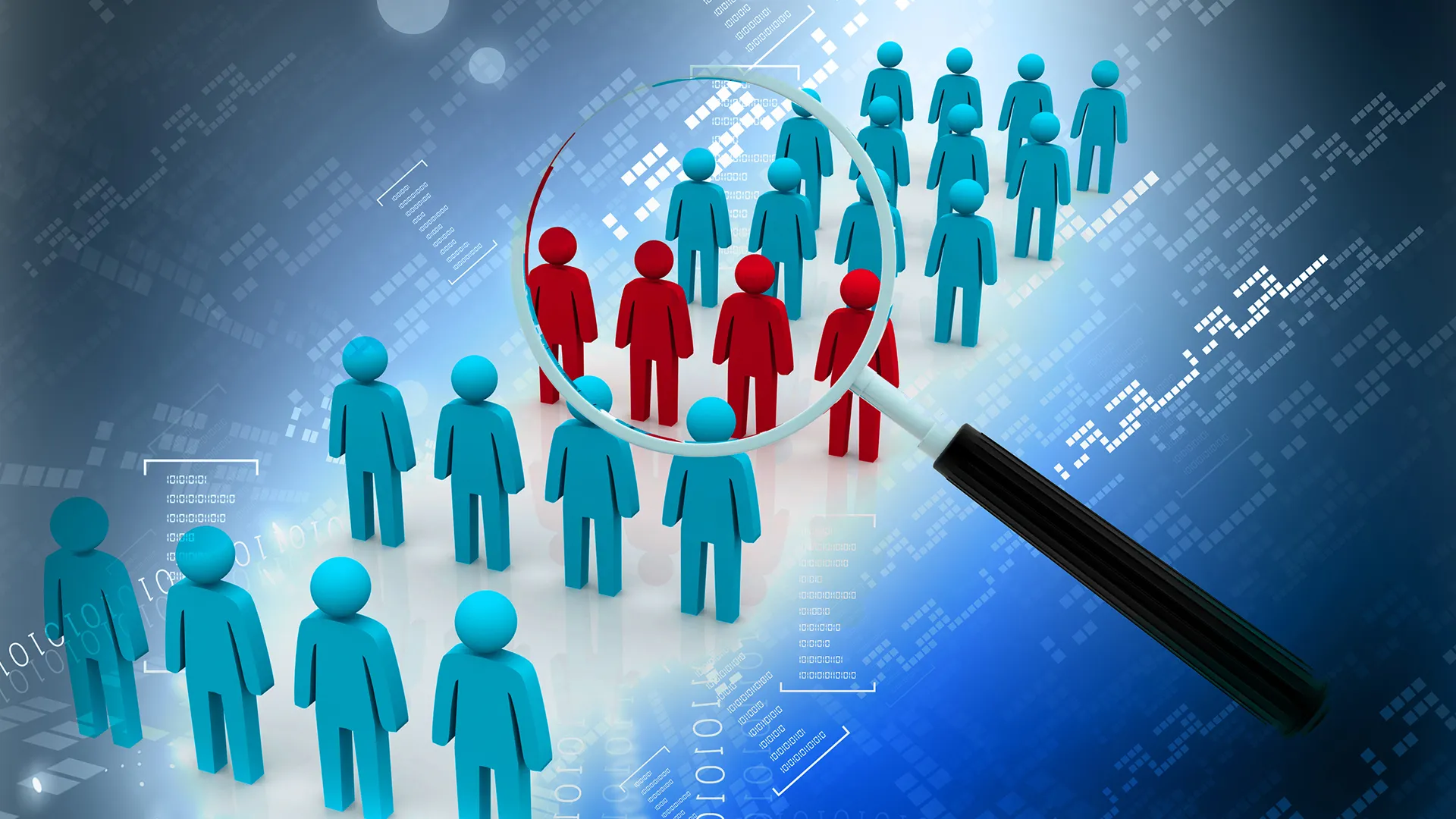
Your target audience is the group of people that are most likely to be interested in your products and interact with your business. They’re the people you want to reach with your marketing and advertising. The individuals that make up your target audience will have certain traits, behaviors, or interests in common, and figuring out these commonalities is what helps you cater to these potential customers better.
A target audience can be very small or very broad. If you’re a clothing store trying to sell a blue one-size-fits-all winter hat, your target audience likely includes people of any age, gender, or nationality (etc.) that live in a place with chilly weather. An example of a business with a relatively narrow target audience is a bridal gown boutique. The products offered by this business would likely only be of interest to adult women that are soon to be married.
Why You Should Care

Knowing your target audience is necessary before planning and executing any new marketing strategies or publishing any advertisements. If you know enough about the people you’re trying to reach, you’ll be better suited to choosing the content platforms you use, the form of media that’s most likely to grab their attention, and the kind of language you want to employ.
Additionally, being familiar with your specific market allows you to get that much closer to them—building strong customer relationships should never be underrated. In fact, according to a Statista report, a whopping 90% of consumers enjoy when marketing is personalized. Once you know who you’re dealing with, you can tweak your brand to be more relatable and create entire marketing campaigns or product designs around your target audience.
The whole point of finding your target audience is to save money by advertising to the people that are actually interested. This helps you keep your ad spend in check and prevents time, money, and resources from being wasted on campaigns and advertising that will go unnoticed.
Strategies to Determine Your Target Audience

Aside from basic demographics such as age, gender, nationality, income, education level, etc., you also want to determine your target audience’s values, interests, opinions, and internal motivations to market as effectively as possible. There are several strategies you can employ to learn more about the traits your audience shares.
Know Who Isn’t Interested
People are complicated, and there are likely many factors that determine if someone takes an interest in your product or not. Sometimes an easy starting point is clearly defining who isn’t in your target audience and slowly narrowing it down further using some of the other strategies mentioned here.
Analyzing your Current Customer Base
Who buys your products? If you can identify the similarities in your current customers, you can get a pretty good idea of the people that are aware of and interacting with your business, and who you should be advertising to in the future. To learn more about your customer base, you can send out surveys, interact on social media, and use data analytics software, which will be discussed more below.
Keeping Track of Industry Trends and Conducting Market Research
To get a better understanding of your target audience, you have to understand the direction of the changing market. You may want to try observing your competitors and their advertising strategy, as well as conducting your own market research using surveys, customer observation, focus groups, and product tests. This will also help you keep up to date on industry trends, which can greatly affect the makeup of your target audience.
Don’t Slack on SEO Content
When you make yourself more visible online, your target audience can naturally find you when they search for things related to your products. This leads people that are interested straight to you, which can then be tracked and recorded with the help of technology.
Analytics and Data Management Software
The best way to make decisions about your target audience is by listening to the data. Tools like Google Analytics can help you track your website traffic, make sense of it, and even build different ad groups around your target audiences. Analytics and data management software will help you better understand your audience’s buying behavior, their main interests, and what they interact with the most.
The Bottom Line..
How well you determine your target audience has the power to make or break your marketing strategy, which can in turn be the success or downfall of your business. To learn more about identifying and using your target audience to your advantage, check out Module 9 of the Madak Guide. Want to know what you’re getting into first? Module 1 of the Madak Guide is now available as a free preview!
Related Blogs
Lorem ipsum dolor sit amet, consectetur adipiscing elit, sed do eiusmod tempor incididunt ut labore et dolore magna aliqua. Ut enim ad minim veniam, quis nostru.
The Differences Between Brand, Brand Identity, and Branding
There are many terms in the field of marketing that may seem synonymous at first glance. Understanding the differences between similar terms is essential for the effective growth of your business and your brand. For example, many people may think of a company logo when they think of the word “brand”, but a logo is not synonymous with brand, branding, nor brand identity — it’s just a small piece of all of them.

5 Benefits of Competition in the Marketplace
Whether you’re an athlete trying to break a record, a growing entrepreneur trying to squeeze into a saturated market, or a well-established business trying to innovate, competition pushes us to perform better. It’s natural to want to avoid conflict, but facing challenges head on and embracing the good that comes from competition can lead to groundbreaking ideas and give you better insight into the strengths and weaknesses of your business. This article will cover five ways in which competition in the marketplace can raise the bar for your business, strengthen your brand, and give you a competitive advantage.

Grow Your Bottom Line with Automated Marketing
Automating certain tasks in business can turn hours of work into minutes, and sometimes eliminate manual processes altogether. While completely hands-off automations are the perfect solution for the daily busywork that exists just to take up valuable company time, marketing often requires more human interaction and authenticity. So what does automating your marketing look like when you want to stay in direct contact with potential leads and create valuable content? Keep reading to get some insight into what marketing automation is, how it helps your business, and some tips on how to implement it.
Reimagine Your Digital Impact
Transform your website, pitch decks, sales collateral and more, all with transparent, upfront, pricing.