5 min read
The Differences Between Brand, Brand Identity, and Branding

Share
There are many terms in the field of marketing that may seem synonymous at first glance. Understanding the differences between similar terms is essential for the effective growth of your business and your brand. For example, many people may think of a company logo when they think of the word “brand”, but a logo is not synonymous with brand, branding, nor brand identity — it’s just a small piece of all of them.
Similarly, the terms “brand”, “brand identity”, and “branding” are closely connected with one another, but do not mean the same thing. Keep reading to get a better understanding of the differences between these expressions and why they matter.
Your Brand

A brand goes beyond the products and services that are offered or the graphics you use on a landing page. The brand of a business can be thought of in a more abstract and all-encompassing way, as it includes all of the thoughts and emotions that people experience when they interact with your business. Your brand is defined by the perception of others, and though it can be shaped through the process of branding and the design of your brand identity, it is never fully under your control.
Your brand is essentially the relationship that you have with your customers and with those that know about your business. It’s something that people can align themselves with on a deeper level. For example, when people think about your business, they might perceive it as a business that cares a lot about its customers, commits to sustainability practices, or goes the extra mile to make incredible products. Your brand is the amalgamation of all of these outside perceptions, so having a well-known and well-liked brand can lead to great success.
Designing a Brand Identity
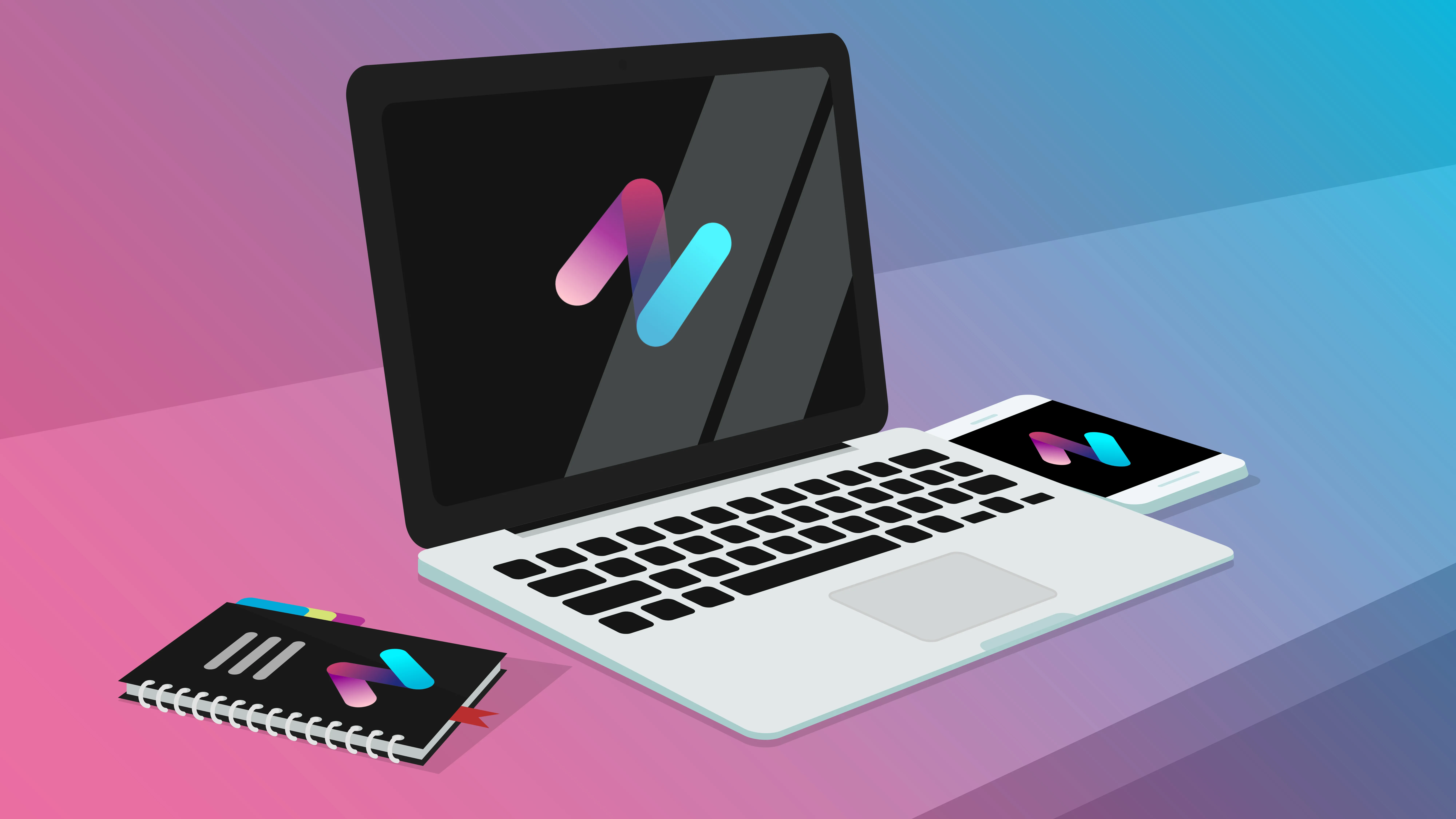
A brand identity is more concrete and tangible, and you get to choose how you want to design it. It is often thought of as a form of visual communication and includes things like logos, company colors, fonts and typography, website design, trends in your social media graphics, and packaging design. All of these physical and visual aspects make up your brand identity and help people identify your brand and distinguish you from your competitors.
Consistency in brand identity across all platforms is key, as it makes you more recognizable, memorable, and dependable. Aligning your visual identity with your business’s mission, goals, and values helps mold perception and show your unique personality. This outward expression of identity helps to build your narrative, as textures, shapes, colors, and so many other aspects of design can have an effect on people’s perception of your brand.
The Process of Branding
Branding is a process that includes research, strategizing, designing a brand identity, marketing, and understanding and moderating customer touchpoints. This process helps you discern how your brand is currently perceived, which allows you to make changes in the right direction. Branding has many facets including building your reputation, deciding what other companies you want to associate your brand with, growing and managing your internet presence, and much more.
Branding is often a long-term process and your strategies will likely change over time. Good branding will help you create your own niche in the market and lead to loyal, long-term customers that support your brand for more than just your products and services.
Though it’s impossible to fully control what your brand is (since it’s decided by the thoughts and emotions of others), putting time and effort into branding and creating a brand identity can help form customer relationships and guide perception.
The Bottom Line...
The branding process can seem overwhelming, especially when high-quality resources are hard to come by. If you want to learn more about designing your own brand identity to grow your business, check out Module 5 of the Madak Guide. Want to know what you’re getting into before signing up? Module 1 of the Madak Guide is now available as a free preview!
Related Blogs
Lorem ipsum dolor sit amet, consectetur adipiscing elit, sed do eiusmod tempor incididunt ut labore et dolore magna aliqua. Ut enim ad minim veniam, quis nostru.

Business Tools Madak Uses Daily
In this fast-paced digital age, all businesses can benefit from the help of tools and applications to work more effectively. With that said, choosing what software to use and pay for is a difficult task. There’s so much variety in the market and it can be challenging to wade through all the options. In this article, we will talk about the software and applications we use at Madak and why we’ve chosen them. Keep reading to get some insight into these tools and to learn more about how Madak uses them to remain efficient, creative, and reliable (and how you can do the same)!

Email Design Best Practices
Email marketing provides a direct line of communication with your customers, and it allows you to keep track of their engagement with your brand. Email marketing also allows you to build relationships with your customers over time, resulting in more sales in the future. Today, marketing emails should provide more than just text to impress a reader. It’s important to make sure that your emails are not only well-written but well-designed to increase user interest and engagement. Keep reading for some tips on email design best practices.

LinkedIn Post Ideas for Businesses
As a business building (or maintaining) an online presence, one of the most important platforms to bear in mind is LinkedIn; however, LinkedIn can be an intimidating place to navigate when used for online marketing. Usually, more strategy is involved when trying to market your brand than when an individual is trying to make connections or grow professional awareness on LinkedIn, so how should you go about it as a business? Keep reading for some LinkedIn post ideas that can help your business build its digital presence.
Reimagine Your Digital Impact
Transform your website, pitch decks, sales collateral and more, all with transparent, upfront, pricing.