5 min read
The Importance Of Color Psychology In Marketing


Share
The idea that colors impact moods, feelings, and behaviors isn’t new, but it’s good to revisit the importance of this concept in case you’re planning a brand refresh, or starting a new brand. Color is one of the most noticeable components of a brand and is a powerful psychological tool in getting people to see what you want them to see, feel what you want them to feel, and ultimately make the purchase that you want them to make. The hues you choose also affect usability and readability, too. These are just a few of the reasons why understanding color psychology is so important for the success of your brand.
Different Colors + Different Cultures = Different Meanings
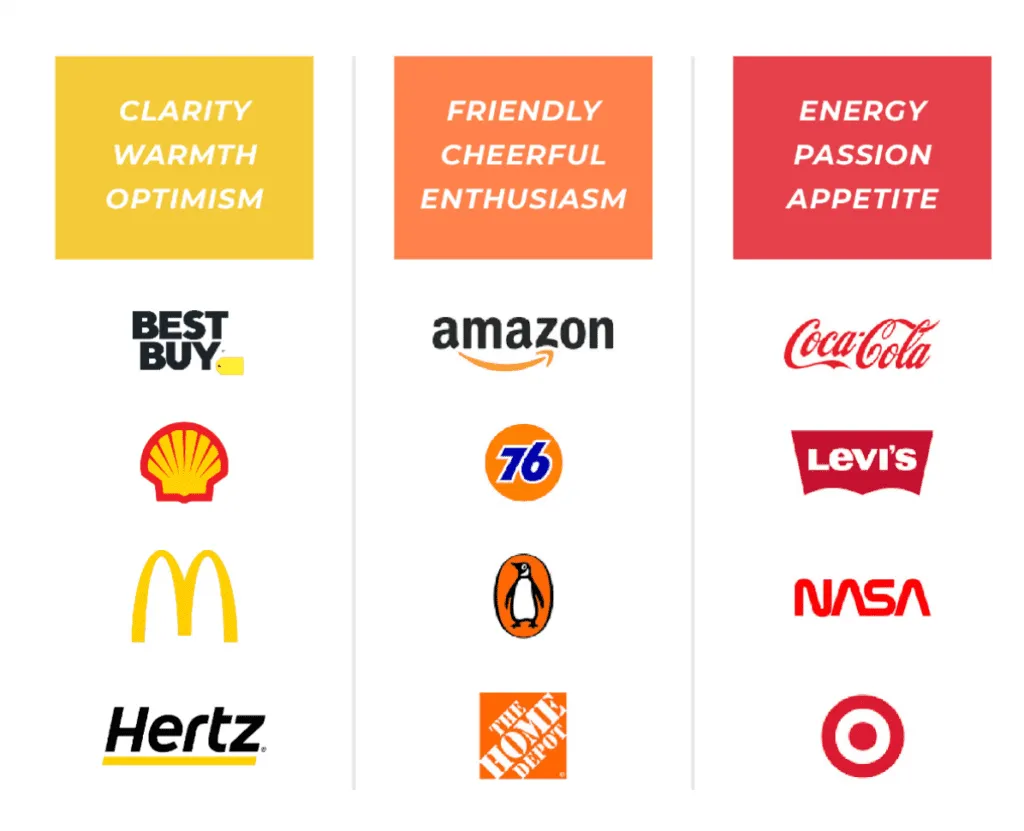
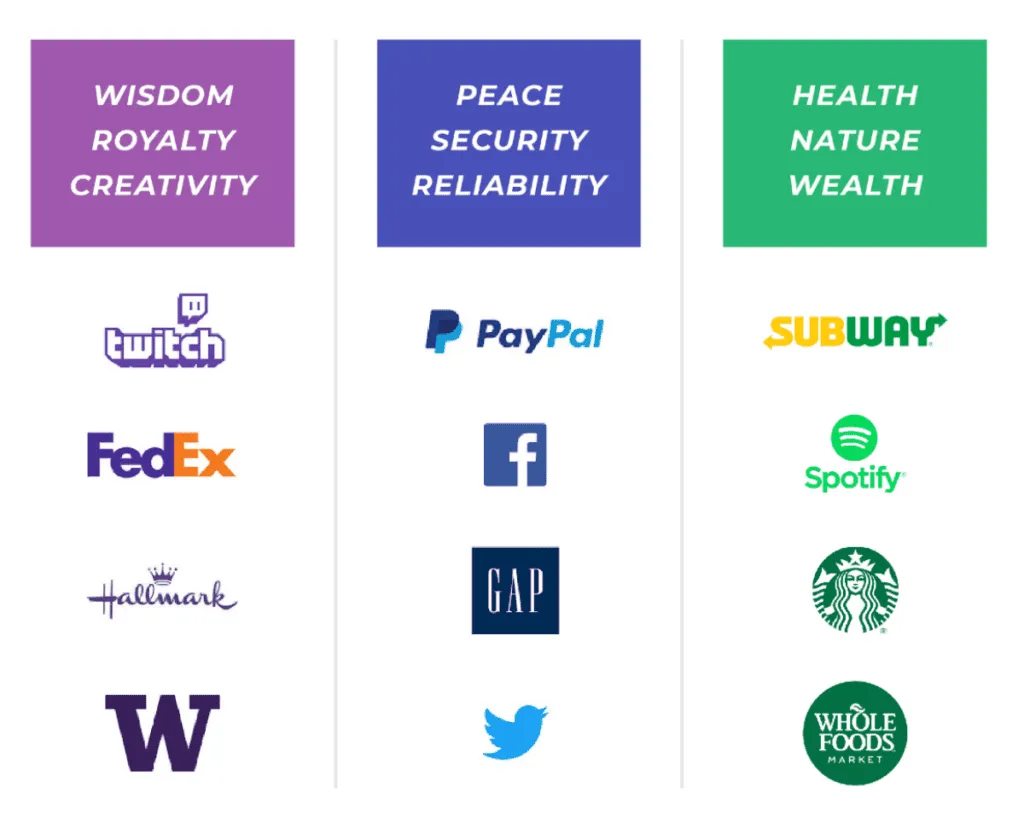
Feelings about color are deeply rooted in one’s experiences and culture. According to Verywell, the color white is used to represent purity and innocence in many Western countries, but it is seen as a symbol of mourning in many Eastern countries. Furthermore, in China, white is symbolic of death, and green is associated with cheating. Yet, even in the same culture, one color can represent numerous meanings. Just think of the phrase “green with envy” compared to other associations like good health or financial growth. When choosing colors for your brand, try to align them with the cultures of your target audiences so that the feelings and values you hope to portray using color translate well. Below is an infographic showing the common associations with colors in Western culture.
So Many Colors, How Do I Choose?
If you don’t know who your target audience is, definitely start there. Knowing the traits and behaviors of your ideal customers is key to creating a brand they can identify with. Color should be used as a tool to help convey brand personality, which is a set of human characteristics attributed to a brand. For instance, Coca-Cola uses red to appear energetic, vibrant, and memorable. Once you have figured out your brand personality, it will be a lot easier to hone in on your colors. Also, keep in mind that you’ll want more than one color to give your brand some dimension. Color palettes typically have lighter and darker colors from the same family and at least one accent color.
Need help with developing your brand? Whether you’re starting from scratch, or looking for a refresh, Madak can help you create a memorable brand that makes sense for your business, as we’ve done for past clients. We will also provide you with the templates, tools, and resources necessary to continue to strengthen your brand afterward.
In the meantime, there are a bunch of tools out there for inspiration and ideas. Here is a list of 24 color palette tools.
Related Blogs
Lorem ipsum dolor sit amet, consectetur adipiscing elit, sed do eiusmod tempor incididunt ut labore et dolore magna aliqua. Ut enim ad minim veniam, quis nostru.

5 Simple Steps To Improve Local SEO
Local search engine optimization (SEO) is all about increasing your visibility as a local business to people using search engines nearby. Believe it or not, the online presence of businesses with physical locations or storefronts makes an impact on their in-store sales.
Reimagine Your Digital Impact
Transform your website, pitch decks, sales collateral and more, all with transparent, upfront, pricing.