5 min read
The Real Reason Brands Move to Webflow: Clarity

Share
Most brands don’t move to Webflow because it looks cool. They move because they’re tired of the confusion.
Many teams are still running a website built on outdated templates, plugins, and years of quick fixes. It worked at some point… but now it’s a patchwork system that slows everything down. Mixed messaging. Inconsistent pages. Updates that feel like surgery. A site that technically “works,” but never really feels like the brand.
What changes when a company moves into Webflow with a clear strategy behind it is actually pretty simple:
Consistency becomes effortless. You’re no longer fighting the system. Your brand rules, layouts, and structure live inside the site — so everything stays aligned.
The brand finally feels right. Teams talk about the “jump” they see. The website stops feeling outdated and starts feeling like the actual company they’ve become.
Marketing stops being chaos. You don’t need to guess which page template to use, fix broken sections, or chase random plug-ins. Webflow keeps everything clean and controllable, which means faster testing, faster updates, and fewer headaches.
The foundation gets stronger. Instead of duct-taping things on top of an old system, you’re building on something that actually supports growth.
That’s why Webflow has become the platform we trust for teams that want clarity, modern design, and a site that can grow with them — without rebuilding every two years.
If you ever want to dig into what this could look like for your brand, I’m always here to talk it through.
Related Blogs
Lorem ipsum dolor sit amet, consectetur adipiscing elit, sed do eiusmod tempor incididunt ut labore et dolore magna aliqua. Ut enim ad minim veniam, quis nostru.
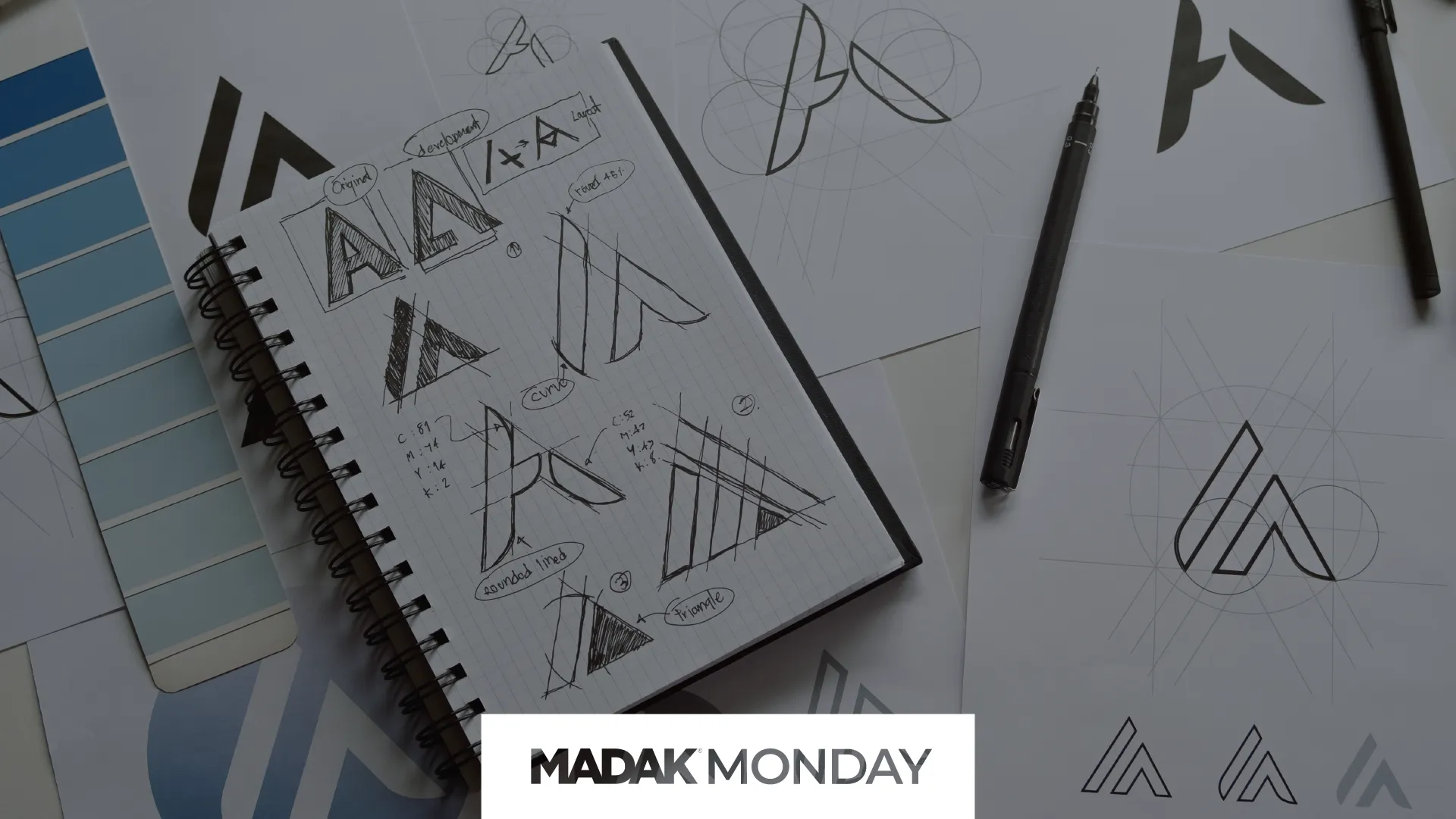
Why Madak Creates Brand Guides
Every day we scroll past an almost unbelievable amount of content on the internet. Articles, social media posts, videos, and infographics are around every corner. We are literally surrounded by information; however, we only remember a very small amount of it. Regardless of how consistent you are with posting content, sending out emails, and updating your site, most users who come in contact with your brand won’t remember it for long. So, the question is, how can you get people to remember you and start recognizing your business when they come across it? How can you get users invested in your company and actually pay attention to the content you share? One of the best ways to ensure your brand is identifiable, memorable, and consistent is by creating a brand guide, which is why at Madak, we create brand guides for clients as part of our creative and branding service. But what is a brand guide, and how can it help you stand out? Keep reading to learn more!
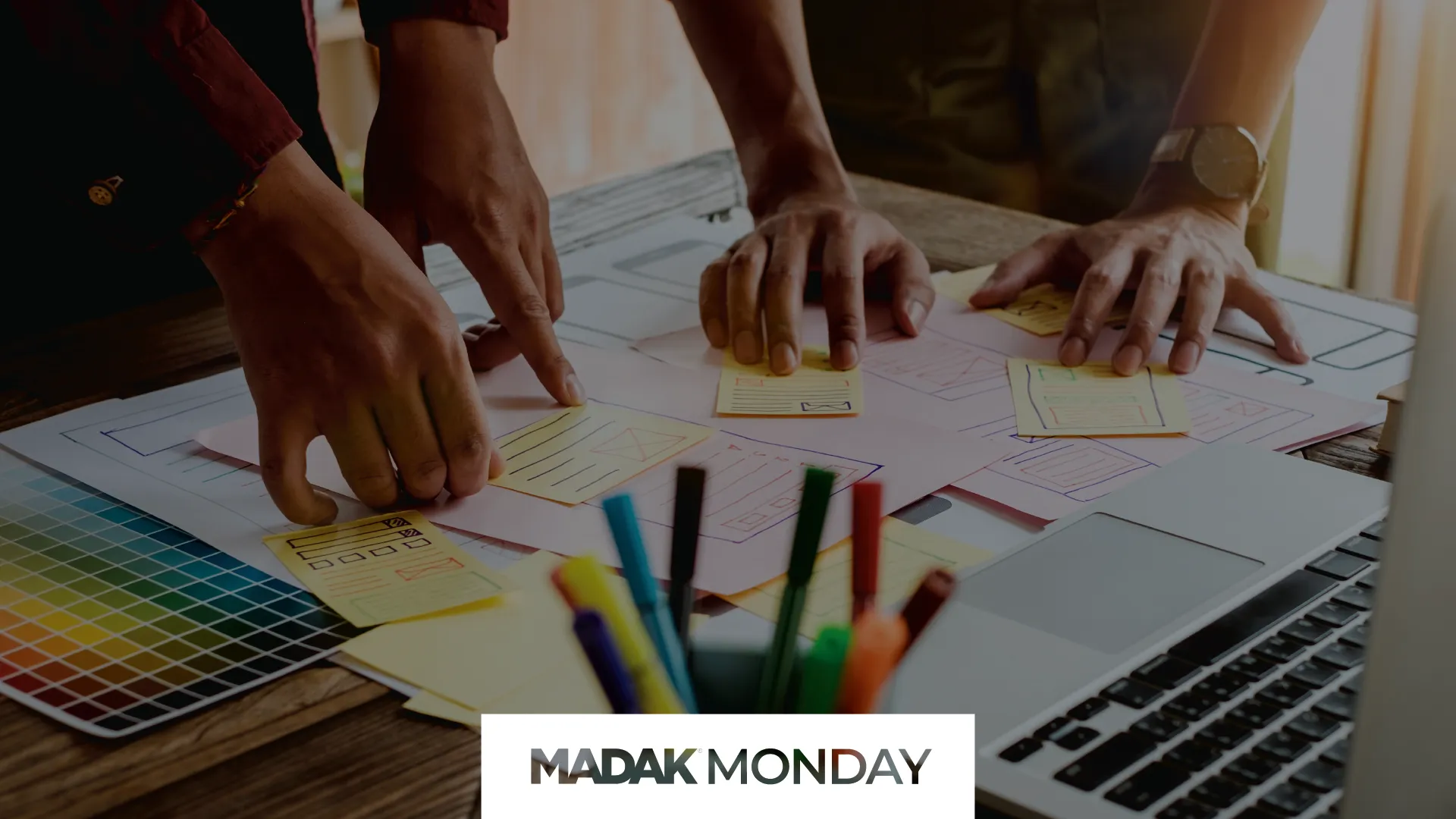
These 4 Trends Are Changing the Future of Content Marketing
Although trends have a reputation for being short-lived, these four content trends are taking marketing to an entirely new level through intentional, individualized audience experiences. We are seeing brands meet their fullest potential by fully embracing an authentic and valuable web presence. Four notable tools are redefining what it means to connect with your audience and maximize your marketing efficiency. This blog will cover the importance of utilizing user-generated content, implementing personalized content, taking on the value over volume strategy, and how you can do all that while combatting content chaos. Let’s dive in!

Why Madak Uses Figma
The cloud-based design tool, Figma, enables collaboration and group sharing so everyone has access to important projects. Figma is a go-to tool for Madak, as it provides a multitude of features that make website creation and interface design more productive. It also helps different team members stay on the same page no matter where they’re working from! Keep reading to learn about some of the biggest reasons Madak uses Figma and to get insight into how this tool can empower your own team.
Reimagine Your Digital Impact
Transform your website, pitch decks, sales collateral and more, all with transparent, upfront, pricing.