5 min read
User-Generated Content

Share
With the inundation of content from all types of advertisers, companies have to look for unique ways to stand out from the crowd. Consumers see hundreds, if not thousands, of ads every day, and they’ve become pretty numb to traditional marketing.
Revitalize your advertising by employing user-generated content. UGC, as it’s sometimes called, is a great way to make a genuine, positive impression on your customer. Rather than continuing to use outdated marketing tactics, try using UGC to connect with your audience.
What Is User-Generated Content?
User-generated content, as the name implies, is content created by your customers. Generally, companies look for positive feedback and reviews about their products to use in their marketing. Unlike traditional marketing, UGC creates a genuine connection with customers, as they trust other consumers over companies.
It is important to remember that the effectiveness of UGC can be counteracted by overproduction. If you take real customer’s stories and utilize it in traditional marketing, consumers won’t see it as UGC. They’ll see it the same way they see other advertisements.
The Different Types Of UGC
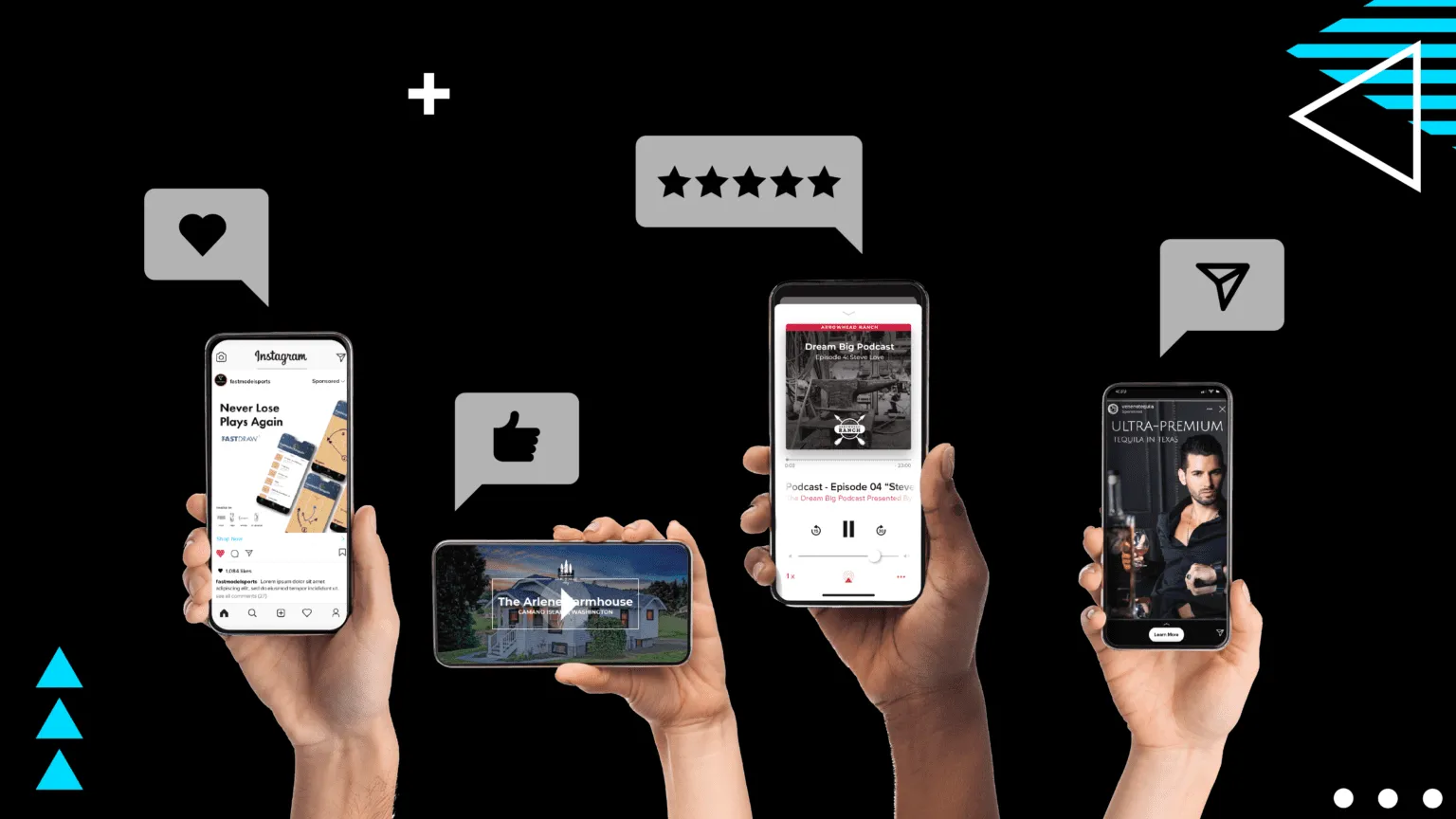
There are many different types of user-generated content. Any way that you can interact with your customers, you can have UGC. The most common kinds are:
- Social media content
- Reviews
- Testimonials
- Blog posts
- Videos
- Comments
- Case studies
Each of these types of UGC can be effective if used correctly. The most important thing about UGC, no matter the kind, is that it is authentic. Consumers can tell when companies aren’t genuine, and that could have the opposite effect, creating negative feelings towards your brand.

Does It Work?
User-generated content helps build trust with consumers. Rather than relying on the word of an advertiser, they get to hear from real customers that care enough about the business to share their experience.
We all know how effective word-of-mouth marketing can be, even when coming from strangers. As long as consumers know that the person creating the content is a regular customer like themselves, they’ll trust what they have to say.
The University of Southern California found that the average digital user is exposed to as many as 5,000 ads a day. When you see that much marketing on a daily basis, it all starts to blend together. UGC allows you to stand out from the crowd and make an impression on consumers. Because consumers find other consumers more trustworthy, they will believe UGC more than other types of advertising.

How To Use UGC
As we said above, customers know that advertisers are trying to sell them something. They expect marketing to be exaggerated and unrealistic. Your user-generated content should be genuine to ensure you are defying this expectation and connecting with consumers.
The first step to employing UGC is to collect it. Create a strategy for how you are going to get your customers to create positive content about your brand and how you’ll collect it.
Once you start asking for content, know how you’re going to collect it. Some companies use submission systems, while others ask customers to use hashtags for social media posts. The way you collect your content depends on the type of content you ask for.
Make sure that your customers know what you want from them, and what they might receive if they submit content. For help with the latter, you may want to consult with your legal team.
Finally, remember your goals for your campaign. You should know whether you want to receive clicks, conversions, or purchases, and you should have metrics in place to measure the success of your campaign.
Make sure that the content you’re asking for is in line with your goals. Ask for UGC that supports the type of result you want to see.
For example, some companies ask customers to tag their social media profile in a post about their product or service. Those companies should want to get more traffic to their social media profile and more eyes on their brand.
Whatever your goal is, make sure that you are using UGC effectively to see the full benefits. Involving your customers in your marketing can help you connect with current and future customers.
The Bottom Line
User-generated content is a great way to revitalize your marketing and connect with consumers. Start employing UGC for more effective advertising and customer connections.
Need Help?
Feel free to contact us if you have any questions.
Related Blogs
Lorem ipsum dolor sit amet, consectetur adipiscing elit, sed do eiusmod tempor incididunt ut labore et dolore magna aliqua. Ut enim ad minim veniam, quis nostru.
Tactics: What Is SEO Marketing?
Search engines are undeniably some of the most useful tools of the modern-day, and tens of thousands of searches are conducted every second. In this digital age of business, having an online presence is essential, especially when you’re trying to build brand awareness and market yourself effectively. Thankfully, search engines can help your business thrive if you know how to use them to your advantage! The content you post and your website will be endlessly overlooked unless you make an effort for it to be found—this is where SEO marketing comes in. Keep reading to learn more about what SEO is, why it matters, and how it can help you get more web traffic.

Target Audience: How to Define Your Specific Market
Unless you’re in the business of selling air or water, not everyone is going to be interested in your product or service. Though some may think of this as a disadvantage, having a specific market can actually prove to be helpful since you don’t have to worry about catering to every single person on the planet—only the people that might actually care. Keep reading to learn more about what a target audience is, why it matters, and a few strategies you can use to determine yours.

Design Basics: How to Know When to Rebrand
Though your brand is more than just your business name, logo, and overall design scheme, these aspects are crucial to guiding public perception. If the thoughts and emotions that people experience when thinking about your business are not in line with what you want them to be, it might be time to rebrand. Keep reading to get an understanding of why rebranding is so important for a growing business in an evolving market, and to learn about 6 reasons why you might want to rebrand.
Reimagine Your Digital Impact
Transform your website, pitch decks, sales collateral and more, all with transparent, upfront, pricing.