5 min read
We Redid Our Website. Here's What Actually Took the Time.

Share
We just finished redoing the Madak website. I thought it would be quick. It wasn't.
Not because of design. The design work moved fast once we knew what we were building toward. What actually slowed us down was figuring out how to say what we do in a way that makes sense the first time someone reads it.
Direct answer: A website redesign usually takes longer than planned because design and messaging depend on each other. Good design without a clear story just looks nice and says nothing. Clear messaging without good design doesn't get read. We had to get both right, and neither one moved fast until we sorted out what we were actually trying to say.
The rewriting was the real project
Once we had our story down, the design decisions got a lot easier. Layout, hierarchy, what to lead with on the homepage, all of that follows naturally once you know what you're building toward. That's the part people usually picture when they think about a redesign, and it's genuinely the easier half.
The harder half was the writing. It took a lot of rewriting, a lot of cutting things out, and a few uncomfortable conversations internally about what actually matters and what's just noise. We'd write a paragraph that was technically accurate and still didn't say anything worth remembering. Then we'd cut it and start over.
That back and forth wasn't wasted time. It's the part of a redesign that doesn't show up in a project timeline but eats most of the actual hours.
Nobody's wrong, they just haven't landed on the same story yet
I think most companies hit this same wall. When there's no clarity yet, it shows up everywhere. Sales says one thing, marketing says another, and the website tries to cover everything, so it ends up saying very little.
Nobody's wrong exactly. It's just that nobody's landed on the same simple story yet. Sales is pitching whatever closes deals this month. Marketing is writing toward what sounds good in a headline. And the site ends up trying to hold every version at once, which is how you get a homepage that reads like it was written by three different companies.
We went through exactly this. It wasn't a failure of any one person's work, it was a sign that the story itself hadn't been decided yet. Once it was, everything downstream got faster: writing new pages, talking to prospects, even our own internal meetings. It's a small thing that changes a lot.
Design and messaging aren't in competition
If there's one thing I'd correct about how we went into this ourselves, it's that we treated design and messaging like separate phases instead of one dependent process. They're not competing priorities where one wins and the other waits its turn. A strong design with a muddy story just makes the confusion look more polished. A sharp story with weak design never gets far enough for anyone to read it.
The two have to move together. Once we treated it that way, instead of finishing the words and then handing them off, the whole project stopped stalling out.
If you're in the middle of this yourself
If you're working through something similar with your own site right now, here's the shortcut we didn't take at first: don't wait until the copy is "done" to start thinking about design, and don't assume a design refresh will fix a story that isn't clear yet. Work on both at the same time, and let each one pressure-test the other.
A simple way to start: get whoever handles sales, whoever handles marketing, and whoever runs the company to each write one sentence answering "why we're different," without comparing notes first. If the answers line up, you already have your story, you just haven't written it down anywhere central. If they don't, that's the actual project, before a single design file gets opened.
We're happy to help with that part specifically. If you want a second set of eyes on where your site's story and design are pulling in different directions, reach out and we'll give you an honest read. No pitch, just a look at what's actually going on.
Related Blogs
Lorem ipsum dolor sit amet, consectetur adipiscing elit, sed do eiusmod tempor incididunt ut labore et dolore magna aliqua. Ut enim ad minim veniam, quis nostru.
Tactics: What Is SEO Marketing?
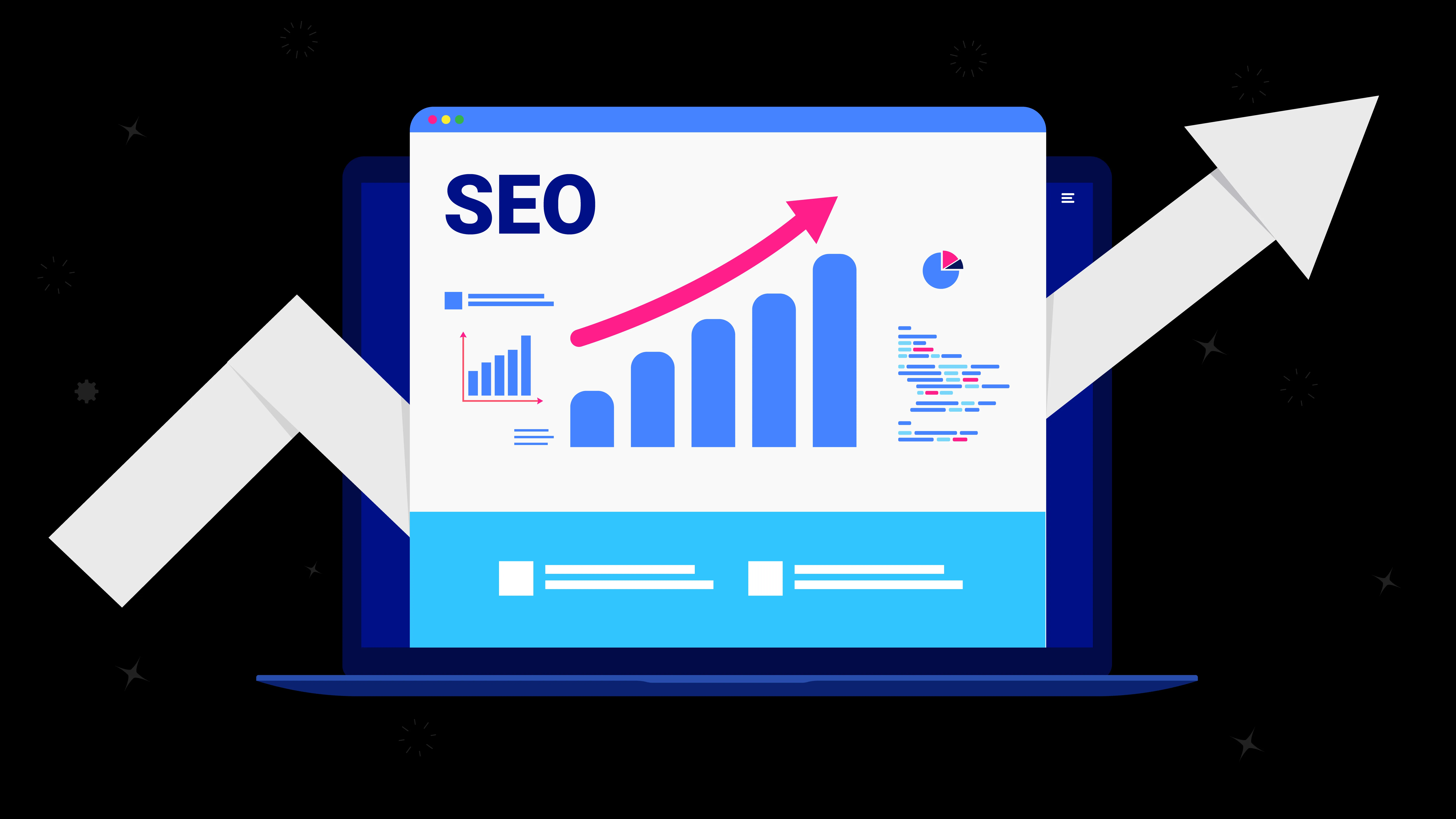
Search engines are undeniably some of the most useful tools of the modern-day, and tens of thousands of searches are conducted every second. In this digital age of business, having an online presence is essential, especially when you’re trying to build brand awareness and market yourself effectively. Thankfully, search engines can help your business thrive if you know how to use them to your advantage! The content you post and your website will be endlessly overlooked unless you make an effort for it to be found—this is where SEO marketing comes in. Keep reading to learn more about what SEO is, why it matters, and how it can help you get more web traffic.

Target Audience: How to Define Your Specific Market
Unless you’re in the business of selling air or water, not everyone is going to be interested in your product or service. Though some may think of this as a disadvantage, having a specific market can actually prove to be helpful since you don’t have to worry about catering to every single person on the planet—only the people that might actually care. Keep reading to learn more about what a target audience is, why it matters, and a few strategies you can use to determine yours.

Design Basics: How to Know When to Rebrand
Though your brand is more than just your business name, logo, and overall design scheme, these aspects are crucial to guiding public perception. If the thoughts and emotions that people experience when thinking about your business are not in line with what you want them to be, it might be time to rebrand. Keep reading to get an understanding of why rebranding is so important for a growing business in an evolving market, and to learn about 6 reasons why you might want to rebrand.
Reimagine Your Digital Impact
Transform your website, pitch decks, sales collateral and more, all with transparent, upfront, pricing.