5 min read
What Is CX, and Why Does It Matter?

Share
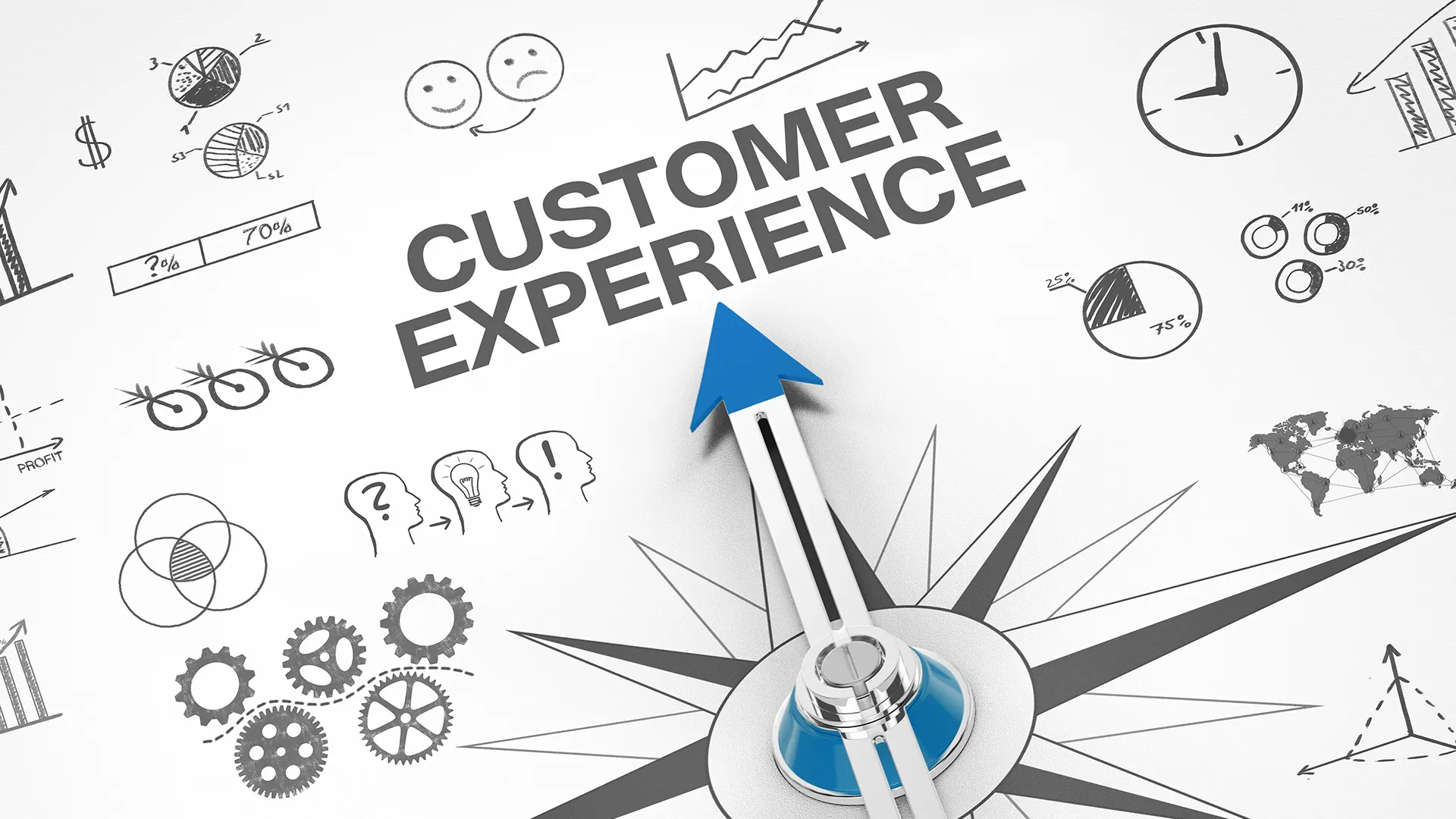
Customer Experience, also known as CX, is more than just a customer’s opinion of a product or service. Every single interaction that a customer has with your brand or business makes up the Customer Experience. This includes the first time someone discovers you through social media or a lead generation email, their satisfaction with the purchasing process and the product itself, and their interactions with customer service and support.
Why Is CX Important?
CX is the combination of all of the interactions that a customer has with your business, and creating an enjoyable Customer Journey is an essential part of driving customer loyalty and preventing churn.
According to a Zendesk Report, over half of customers are willing to go out of their way to purchase from brands they’re loyal to. This brings great value to your business and creates consistently satisfied and supportive customers. A big part of creating this loyalty revolves around a positive Customer Experience, as around half of customers report that they would begin buying from competitors if they had one bad experience with their currently preferred brand.
When you closely consider what kind of Customer Experience you’re providing, it helps you determine all of the touchpoints between your business and your potential, current, and long-time customers. Crafting a sales-boosting and customer-retaining Journey throughout these various touchpoints can seem overwhelming since there are so many different forms of customer interaction. Some preliminary questions to ask that may help with organization are:
- In what ways are customers first introduced to your brand? (Examples: Through a paid ad, a social media post, lead-generating sales emails, word of mouth)
- Is the purchasing process simple and satisfying? (Examples: Is it easy for the customer to gather information before making a purchase? Are your sales and customer service teams responsive and knowledgeable?)
- How do you deal with post-purchase interactions? (Examples: Follow up messages and surveys to ensure the customer is satisfied with their product, providing high-quality customer support, making it easy for customers to contact you regarding concerns, finding solutions in a timely manner)
After having an idea of what CX encompasses in your situation, how do you go about measuring and improving upon it?
How To Quantify CX

There are numerous tools you can use to track and measure Customer Experience, including specialized software, social media and web page analytics, customer surveys and feedback, and product and service reviews. Data collection is the backbone of tracking CX, and can help you determine how customers found your business, how they interacted with it, and what their impressions were at specific touchpoints (and overall).
Specialized CX software can help you organize and analyze feedback, customer interaction data, and other important information from various platforms, but it is not an absolutely necessary tool. Small to medium sized businesses with lower budgets can quantify their Customer Experience using other methods.
One-question customer surveys can help you determine your Net Promoter Score (NPS) and your Customer Satisfaction Score (CSAT), both of which help you gauge the reactions to your business as a whole, or a specific interaction or product. Following up with more in-depth surveys can help you know what changes to make in order to improve these scores. When you look at this data alongside churn rates and other customer loyalty metrics, you can determine which interactions have the most positive or negative effects on customer lifetime and lifetime value.
Surveys and direct customer feedback are both great ways of getting information straight from the people that you want to provide a better experience for, but it’s always good to take away bias. Performing your own social media and web page interaction analyses can show you a different kind of data, allowing you to take away the subjectivity and see what people interact with the most and for how long.
The Bottom Line...
Creating an enjoyable Customer Experience often comes down to the authenticity of your business and using your internal resources well. Truly caring about your customers as opposed to just worrying about how they will view or rate your company makes it much easier to spot touchpoints that need to be worked on.
It’s time to make every customer interaction a good one! If you want to learn more about the importance of CX and get detailed instructions on how to map out your Customer Journey, Module 2 of the Madak Guide is perfect for you. Want to get a feel for the Madak Guide first? Get a free preview of Module 1 to see how these courses can help you boost your business.
Related Blogs
Lorem ipsum dolor sit amet, consectetur adipiscing elit, sed do eiusmod tempor incididunt ut labore et dolore magna aliqua. Ut enim ad minim veniam, quis nostru.
Why Madak Became a HubSpot Agency
Madak is now a HubSpot Solutions Partner! Becoming a HubSpot agency has many advantages, and this article is intended to share the thought process behind the decision and explain what this partnership has enabled us to do. Keep reading to learn more about what it means to be a HubSpot Agency and to learn about some of the amazing things we—and you!—can accomplish with the help of HubSpot.

The Benefits of Using Marketing Automation
There’s been a lot of talk about automation over the last few years. Automating simple processes that don’t require a lot of brainpower and follow pre-determined patterns is a terrific way for businesses to save time and money while making their daily work more efficient. That is why many industries—including marketing—have started using automation in their operations. In the marketing world, automation can be used to make recurring tasks easier to manage and take analytics and workflows to the next level. Keep reading to learn more about what marketing automation is and what benefits it can provide for your business.
Why Visuals Are Important in Marketing
Knowing how to effectively use visuals in marketing should be a priority for marketing teams everywhere. The numerous types of visuals you can use in marketing make it one of the most versatile strategies for successful campaigns. Implementing visuals in your own company’s marketing efforts is a surefire way to draw more attention to the products and services you offer. This article will detail different visuals that your brand can use in marketing content and why these visuals are essential to marketing campaigns in general.
Reimagine Your Digital Impact
Transform your website, pitch decks, sales collateral and more, all with transparent, upfront, pricing.