5 min read
When Sales and Marketing Aren’t Aligned, Everything Slows Down

Share
If your sales and marketing aren’t aligned, the business starts to lose clarity in ways that are easy to overlook at first. Internally, teams are still moving, campaigns are still going out, and sales conversations are still happening, but they are not fully connected. Marketing might be pushing one message while sales is handling objections in a completely different way. Priorities begin to drift, and there is no single, consistent direction guiding how the company shows up.
That gap eventually becomes visible on the outside. Someone might land on your website and get one impression of what you do, then get on a call and hear something slightly different. Or marketing might be attracting a certain type of lead that doesn’t quite match what the sales team is expecting. None of these issues feel major on their own, but together they create friction. People hesitate, conversations take longer, and opportunities that should move forward end up stalling.
Consistency is what ties all of this together. From the first interaction to the final conversation, the experience should feel the same. The message should carry through clearly, no matter where someone enters your world. That only happens when sales and marketing are built on the same foundation and are reinforcing each other instead of operating separately.
The challenge is that alignment is not something you fix once and forget about. As the business evolves, offers change, positioning shifts, and teams grow. Without a way to keep everything connected, it is easy to fall back into the same patterns where messaging starts to drift again. Keeping things aligned requires ongoing attention, not just a one-time adjustment.
A practical way to approach this is to start with how sales is actually communicating. Tighten up the sales collateral so every conversation is clear and consistent, and the team knows exactly how to position the business. From there, make sure the website reflects that same message. When those two areas match, it becomes much easier for everything else to fall into place because the core of the business is communicating in one voice.
When sales and marketing are aligned, the difference is noticeable. Conversations move faster, leads are more relevant, and the business presents itself in a way that feels clear and intentional. There is less friction internally and externally, which makes it easier to build trust and move things forward.
If you want to take a closer look at how your setup is working, you can fill out this quick form and we’ll take it from there: Let’s talk.
Related Blogs
Lorem ipsum dolor sit amet, consectetur adipiscing elit, sed do eiusmod tempor incididunt ut labore et dolore magna aliqua. Ut enim ad minim veniam, quis nostru.
Tactics: What Is SEO Marketing?
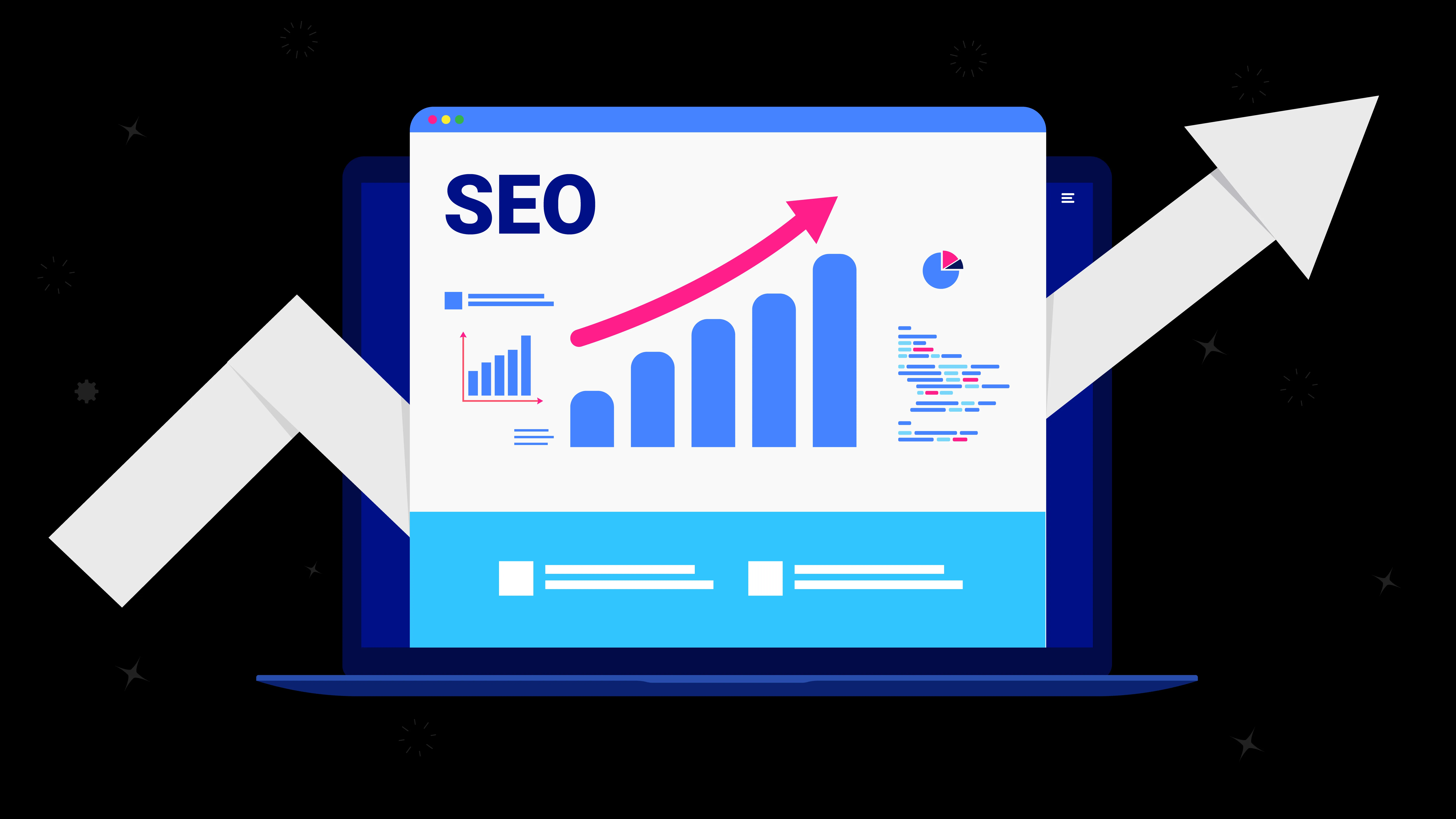
Search engines are undeniably some of the most useful tools of the modern-day, and tens of thousands of searches are conducted every second. In this digital age of business, having an online presence is essential, especially when you’re trying to build brand awareness and market yourself effectively. Thankfully, search engines can help your business thrive if you know how to use them to your advantage! The content you post and your website will be endlessly overlooked unless you make an effort for it to be found—this is where SEO marketing comes in. Keep reading to learn more about what SEO is, why it matters, and how it can help you get more web traffic.

Target Audience: How to Define Your Specific Market
Unless you’re in the business of selling air or water, not everyone is going to be interested in your product or service. Though some may think of this as a disadvantage, having a specific market can actually prove to be helpful since you don’t have to worry about catering to every single person on the planet—only the people that might actually care. Keep reading to learn more about what a target audience is, why it matters, and a few strategies you can use to determine yours.

Design Basics: How to Know When to Rebrand
Though your brand is more than just your business name, logo, and overall design scheme, these aspects are crucial to guiding public perception. If the thoughts and emotions that people experience when thinking about your business are not in line with what you want them to be, it might be time to rebrand. Keep reading to get an understanding of why rebranding is so important for a growing business in an evolving market, and to learn about 6 reasons why you might want to rebrand.
Reimagine Your Digital Impact
Transform your website, pitch decks, sales collateral and more, all with transparent, upfront, pricing.