5 min read
Why Simple Websites Outperform Complicated Ones

Share
Why Most Websites Don’t Actually Work
Most websites look great — but they don’t do great.
They say too much, show too much, and make visitors work too hard to understand what’s being offered.
People don’t buy what they don’t understand.
The moment your message gets complicated, you lose attention — and the opportunity to convert.
More Pages Don’t Mean More Impact
Adding more pages doesn’t equal more credibility or better SEO.
In fact, it often creates confusion and slows people down.
A streamlined site helps users find what they’re looking for faster — and that’s what builds trust.
Impact doesn’t come from volume. It comes from clarity.
Your Website Shouldn’t Just Exist; It Should Work for You
Your website isn’t a placeholder — it’s your hardest-working salesperson.
It should guide, educate, and close the gap between interest and action.
When it’s built intentionally, every section has a job.
That’s when your website starts to actually work for your business instead of just existing online.
Clarity Beats Cleverness: Why Simple Websites Win More Clients
Clever headlines and flashy design might impress, but clarity sells.
If people can’t instantly tell what you do and who you do it for, they’ll move on.
Clarity builds confidence. Confidence builds trust.
And trust is what turns visitors into clients.
You Don’t Need 50 Pages — Just 5 That Actually Work
You don’t need a massive site to make an impact.
You need focus.
Start with the essentials, test, get feedback, and evolve from there.
Because in the end, a website that’s clear and focused doesn’t just look better — it works better.
Related Blogs
Lorem ipsum dolor sit amet, consectetur adipiscing elit, sed do eiusmod tempor incididunt ut labore et dolore magna aliqua. Ut enim ad minim veniam, quis nostru.
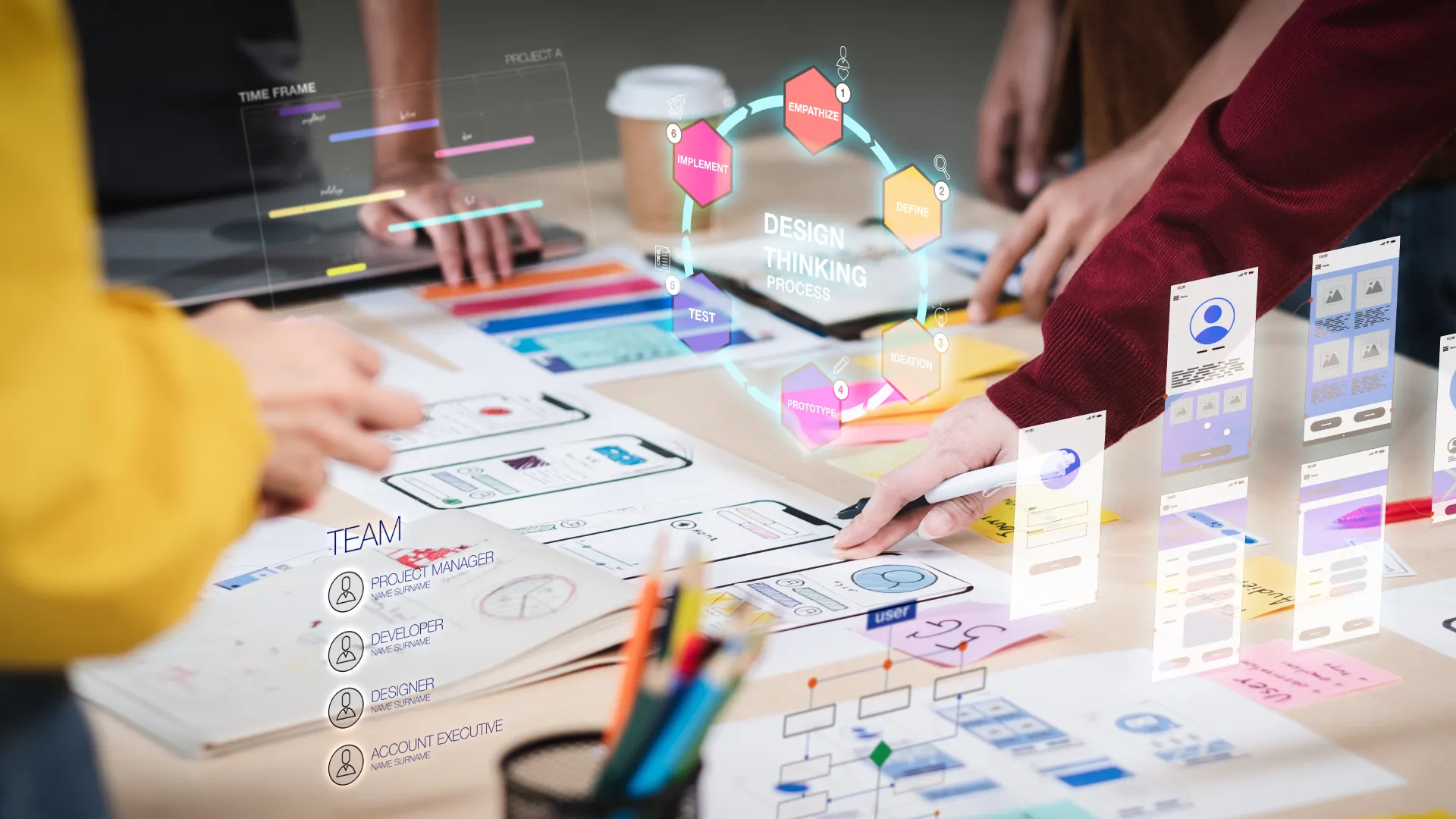
Design Thinking
How do marketers, product designers, business strategists, and everyone else in your organization make decisions? There are a lot of different ways to come up with product ideas, generate marketing campaigns, and make executive business-altering decisions. Perhaps you use mountains of data to make the most statistically informed choices, or maybe you gather customer feedback and get advice right from the source. Though these methods have their merits, they can be drastically improved when you implement design thinking.

5 Reasons Why You Should Stay On Top of the Latest Marketing Trends
Like many things in the fast-paced world of business, the market changes frequently. This means that marketing trends change frequently as well. Though this has been true for as long as businesses have been marketing to customers, the relatively new addition of the internet to mainstream culture has caused marketing trends to come and go faster than ever.
Reimagine Your Digital Impact
Transform your website, pitch decks, sales collateral and more, all with transparent, upfront, pricing.