5 min read
Why Your Website Isn't Converting (Even Though It Looks Fine)

Share
You can tell within a few seconds whether a website was actually thought through or just thrown together to check a box. You can't always explain why. You just feel it. The messaging makes sense, the layout doesn't fight you, and somehow you trust the company before you've even read much of anything.
A website converts poorly not because it looks bad, but because nobody worked out the messaging first. Visitors need to understand what a company does and why it matters within seconds, and when that clarity is missing, design polish can't make up for it.
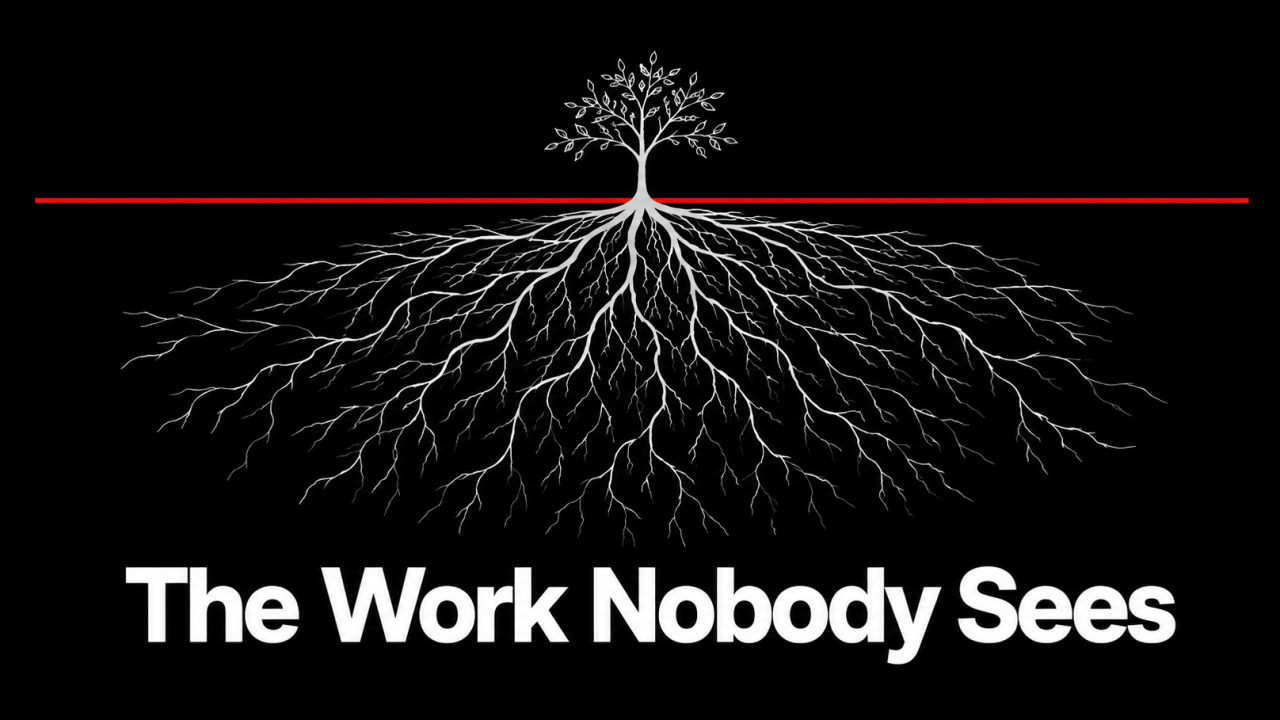
Someone Has to Do the Work First
Someone has to figure out what to say first. What to cut. How to show credibility without laying it on too thick. That's the hard part, and it happens before anyone opens a design file.
When nobody's done that work, it shows. The page feels generic. The message is fuzzy. People leave without really getting what the company does or why it matters.
When the Groundwork Is There, Things Get Easier
But when that groundwork is there, things just get easier. People move through the site without getting stuck. The message holds up no matter where they land. And by the time sales gets on a call, a lot of the trust building already happened.
That's the whole difference. A site with clear messaging does some of the selling before anyone picks up the phone. A site without it just leaves people confused, and confused people don't stick around to figure it out.
Where We Actually Spend Our Time
Honestly, this is where we spend most of our time, not making things look nice, but making sure they actually earn trust. Design is the easy part to point to. Messaging is the part that actually moves the needle, and it's usually the part that got rushed.
Frequently Asked Questions
Q: Why isn't my website converting if it looks good? Looking good and communicating clearly aren't the same thing. If visitors can't quickly tell what you do and why it matters, the design won't save you.
Q: Should I fix messaging or design first? Messaging. Design should support a message that's already been figured out, not the other way around.
Q: How do I know if it's a messaging problem? If people bounce fast, or your sales calls start with explaining things the site should've already covered, that's messaging, not design.
Q: Will a redesign fix this? Not on its own. A redesign without the messaging work behind it just gives you a nicer looking version of the same unclear site.
Want Another Set of Eyes?
If you want another set of eyes on how your site's coming across, happy to take a look.
Related Blogs
Lorem ipsum dolor sit amet, consectetur adipiscing elit, sed do eiusmod tempor incididunt ut labore et dolore magna aliqua. Ut enim ad minim veniam, quis nostru.

How to Plan Your Social Media Posts
There’s no ignoring the relevancy of social media in business. Apps like Instagram, Facebook, TikTok, and Twitter are some of the most convenient platforms people and businesses can use to interact with other people, influencers, and brands. This is why social media is now such an important part of so many companies’ digital marketing strategies. Social media can still be a daunting place. How do you organize your content? How can you create a sense of structure and strategy with your posts? How do you make sure the photos, graphics, and captions all make sense together? Fear not! We’ll discuss the answers to all these questions and more in this article.
.webp)
How to Write a SMART Goal + Resource Download
Setting and achieving goals is critical for the success of every organization. Though most companies are more than capable of setting goals, whether or not those goals are realistic and reachable is a different story. Disorganized and impractical goals can lead to several negative situations, including employee demotivation and stakeholder disappointment. This is why as a productive professional or a manager of any kind of process, you first need to know how to write SMART goals — goals that are specific, measurable, assignable, realistic, and time-related. In this article, we will be taking a deeper dive into what SMART goals are and the best method for creating them. We even provide a free SMART goal template for you at the end!

How to Create Welcome Emails for New Subscribers
Setting up welcome emails is one of the best strategies you can use to communicate with your subscribers and show that you value them. When people subscribe to you, you have a small window of time to make an impression and show them that their decision is wise. This can be difficult to do if you’re unsure of the essentials for welcome emails. While you want to put a unique spin on the emails you send to subscribers, you also want to cover all of the bases that create an effective welcome email. We have previously covered the ins and outs of email marketing campaigns and email automation. Now, you can learn about creating welcome emails that make a real difference in the way your customers view you! This article will describe the best way to create welcome emails for new subscribers to ensure that your email campaigns have the intended effect.
Reimagine Your Digital Impact
Transform your website, pitch decks, sales collateral and more, all with transparent, upfront, pricing.