5 min read
Why Your Website Isn't Converting (Even Though It Looks Fine)

Share
You can tell within a few seconds whether a website was actually thought through or just thrown together to check a box. You can't always explain why. You just feel it. The messaging makes sense, the layout doesn't fight you, and somehow you trust the company before you've even read much of anything.
A website converts poorly not because it looks bad, but because nobody worked out the messaging first. Visitors need to understand what a company does and why it matters within seconds, and when that clarity is missing, design polish can't make up for it.
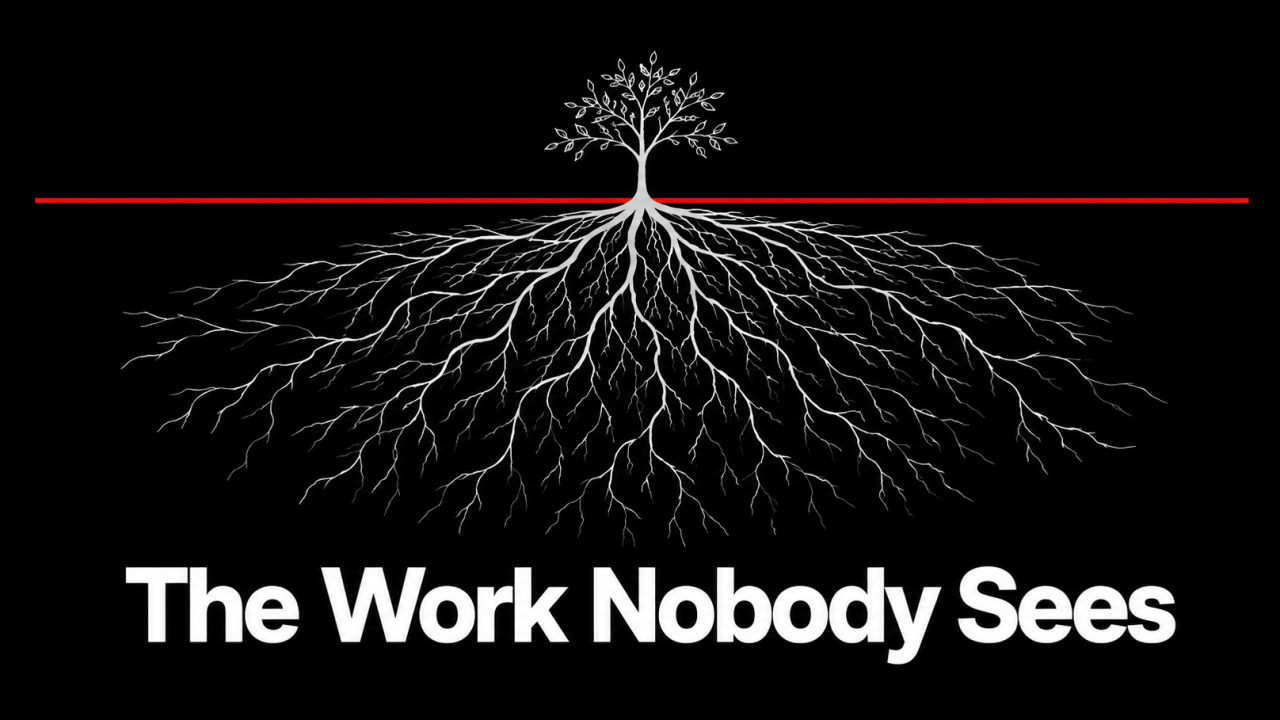
Someone Has to Do the Work First
Someone has to figure out what to say first. What to cut. How to show credibility without laying it on too thick. That's the hard part, and it happens before anyone opens a design file.
When nobody's done that work, it shows. The page feels generic. The message is fuzzy. People leave without really getting what the company does or why it matters.
When the Groundwork Is There, Things Get Easier
But when that groundwork is there, things just get easier. People move through the site without getting stuck. The message holds up no matter where they land. And by the time sales gets on a call, a lot of the trust building already happened.
That's the whole difference. A site with clear messaging does some of the selling before anyone picks up the phone. A site without it just leaves people confused, and confused people don't stick around to figure it out.
Where We Actually Spend Our Time
Honestly, this is where we spend most of our time, not making things look nice, but making sure they actually earn trust. Design is the easy part to point to. Messaging is the part that actually moves the needle, and it's usually the part that got rushed.
Frequently Asked Questions
Q: Why isn't my website converting if it looks good? Looking good and communicating clearly aren't the same thing. If visitors can't quickly tell what you do and why it matters, the design won't save you.
Q: Should I fix messaging or design first? Messaging. Design should support a message that's already been figured out, not the other way around.
Q: How do I know if it's a messaging problem? If people bounce fast, or your sales calls start with explaining things the site should've already covered, that's messaging, not design.
Q: Will a redesign fix this? Not on its own. A redesign without the messaging work behind it just gives you a nicer looking version of the same unclear site.
Want Another Set of Eyes?
If you want another set of eyes on how your site's coming across, happy to take a look.
Related Blogs
Lorem ipsum dolor sit amet, consectetur adipiscing elit, sed do eiusmod tempor incididunt ut labore et dolore magna aliqua. Ut enim ad minim veniam, quis nostru.

The Differences Between Brand, Brand Identity, and Branding
There are many terms in the field of marketing that may seem synonymous at first glance. Understanding the differences between similar terms is essential for the effective growth of your business and your brand. For example, many people may think of a company logo when they think of the word “brand”, but a logo is not synonymous with brand, branding, nor brand identity — it’s just a small piece of all of them.

5 Benefits of Competition in the Marketplace
Whether you’re an athlete trying to break a record, a growing entrepreneur trying to squeeze into a saturated market, or a well-established business trying to innovate, competition pushes us to perform better. It’s natural to want to avoid conflict, but facing challenges head on and embracing the good that comes from competition can lead to groundbreaking ideas and give you better insight into the strengths and weaknesses of your business. This article will cover five ways in which competition in the marketplace can raise the bar for your business, strengthen your brand, and give you a competitive advantage.

Grow Your Bottom Line with Automated Marketing
Automating certain tasks in business can turn hours of work into minutes, and sometimes eliminate manual processes altogether. While completely hands-off automations are the perfect solution for the daily busywork that exists just to take up valuable company time, marketing often requires more human interaction and authenticity. So what does automating your marketing look like when you want to stay in direct contact with potential leads and create valuable content? Keep reading to get some insight into what marketing automation is, how it helps your business, and some tips on how to implement it.
Reimagine Your Digital Impact
Transform your website, pitch decks, sales collateral and more, all with transparent, upfront, pricing.