5 min read
Your Roadmap to Creating an Effective Website
.webp)
Share
Creating an effective website is not just about aesthetics; it's a strategic journey that involves thoughtful planning and execution. Whether you're a seasoned web developer or a novice, this blog serves as your comprehensive roadmap to creating a website that not only captures attention but also engages and converts visitors.
[[break]]
1. Create a Plan: Define Your Path to Success
You wouldn't start a cross-country road trip without a map, would you? Your web development journey is no different.
Define Scope:
Clearly outline the features and functionalities your website needs. Set project timelines and milestones to keep everyone on the same page.
Budget and Resources:
Determine the financial resources required. Allocate human resources and roles within your team. Because, let's face it, every dream team needs a game plan.
2. Identify a Goal: What Drives Your Website?
Before you hit the accelerator, you need to know where you're going.
Define Objectives:
Clearly outline the purpose of your website. Are you aiming for lead generation, brand awareness, or perhaps boosting e-commerce sales? Define your mission.
Audience Analysis:
Conduct market research to align your website's design and content with their expectations. It's not just a website; it's an experience.
3. Sitemap & Moodboards: Your Design Blueprint
Think of this phase as choosing your destinations and planning the scenic route.
Sitemap Creation:
Develop a visual representation of your website's structure. Plan the navigation and user flow like you're plotting stops on your road trip.

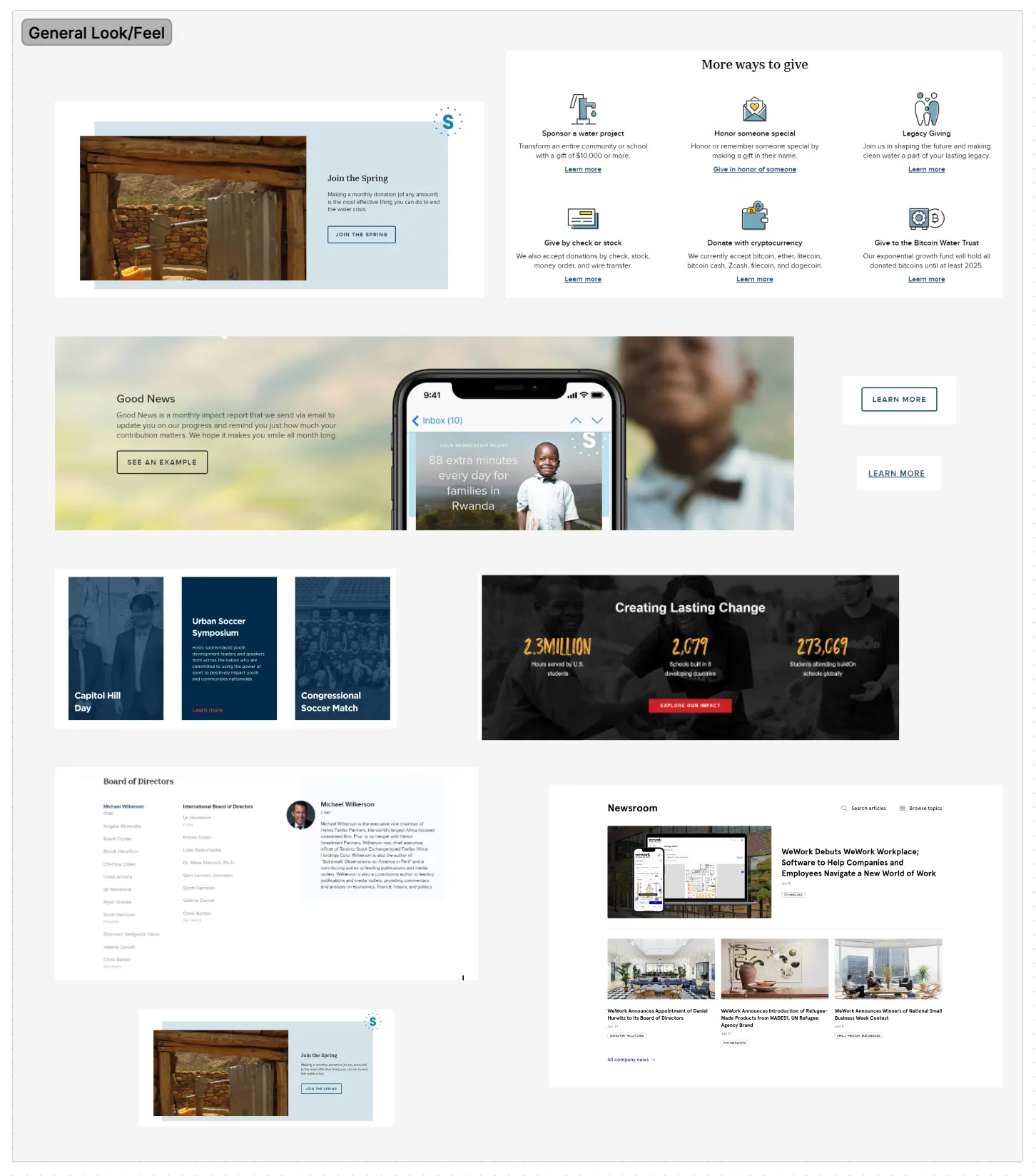
Moodboards:
Collect visual inspiration for your website's aesthetic. Establish a design direction with color schemes, typography, and imagery. Your website's personality is crucial.
4. Wireframe: Building the Foundation
It's time to put pen to paper and sketch out your vision.
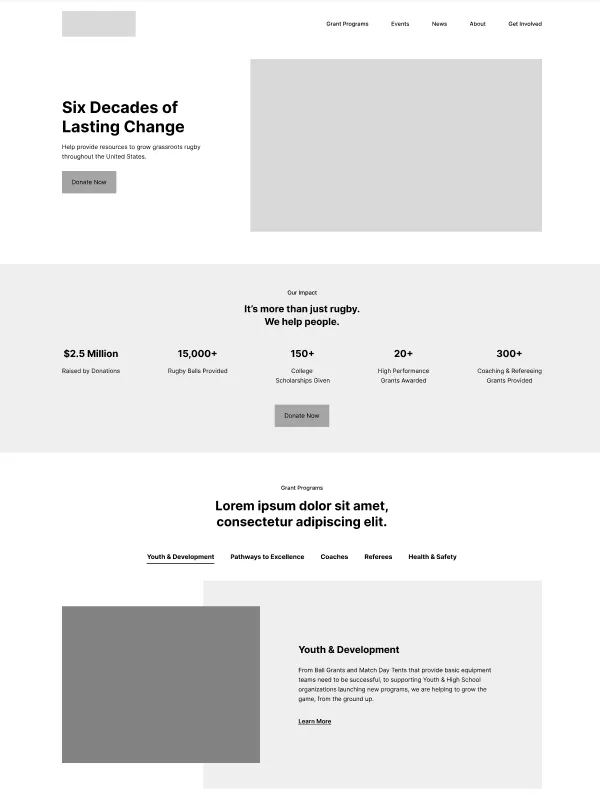
Structural Blueprint:
Create a skeletal outline of your website's layout. Focus on the placement of key elements and user interface components. This is your architectural masterpiece.
User Flow:
Map out the user journey from page to page. Ensure a logical and intuitive navigation experience. Think of it as planning the most scenic route for your users.
5. Design: Bringing Your Vision to Life
Now that you have the map, let's paint the canvas.
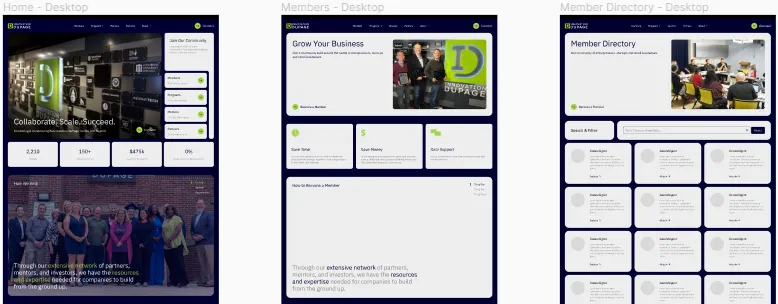
Visual Design:
Develop high-fidelity visual mockups based on the approved wireframes. Pay attention to branding elements, color schemes, and imagery. This is where your website gets its visual identity.
Feedback Loop:
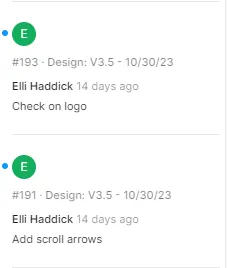
Gather feedback from stakeholders and make necessary adjustments. It's like fine-tuning your playlist for the road trip—make sure it resonates with everyone.
6. Development: Making It Web-Ready with Webflow
Now it's time to build the engine that powers your journey.
Webflow CMS Structure:
Build out all CMS collections and add content if possible. Ensure CMS collection titles follow the sitemap structure where applicable.
Webflow Development:
Translate designs to Webflow, ensuring responsiveness across all breakpoints. Add interactions and animations as planned in the design. It's the engine that keeps your website cruising smoothly.
7. Test: Ensuring a Great User Experience
Before you hit the road, you've got to make sure your vehicle is in top shape.
Quality Assurance:
Conduct thorough testing to identify and fix bugs, broken links, etc. Test the website on multiple browsers and devices for compatibility. Your users deserve a seamless experience.
User Testing:
Gather feedback from real users to identify any usability issues. Make iterative improvements based on user input. It's like having co-pilots giving you directions along the way.
8. Complete: Launching the Website
Time to press the "Go Live" button and share your creation with the world.
Deployment:
Choose a site plan in Webflow and connect your DNS. Publish the website to go live. Your journey begins here.
Monitoring:
Implement tools for monitoring website performance. Address any post-launch issues promptly.
9. Reflecting on the Journey
As you reach your destination, take a moment to look back.
Project Evaluation:
Reflect on the project, considering what went well and areas for improvement. Gather insights to inform future projects because every website process teaches us something new.
Want to learn more? Take a look at what NOT to do with your site in our article Top 5 Common Mistakes Found On Websites.
Related Blogs
Lorem ipsum dolor sit amet, consectetur adipiscing elit, sed do eiusmod tempor incididunt ut labore et dolore magna aliqua. Ut enim ad minim veniam, quis nostru.

Top Video Marketing Channels to Grow Your Business
People like to be engaged with the content they consume, and videos are the king of engagement. Video marketing is becoming increasingly important as video-based platforms rise in popularity and younger generations turn to videos for information and advertisements. Some recent studies even state that a significant portion of Gen-Z prefers to see ads in short-form video format. As a marketer, you likely already know that one of the best ways to capture your audience’s attention and grow your business is with entertaining, informative, high-quality, and easily digestible video content. In this article, we will talk about the best video marketing channels and how they can help you grow your business.

Why Madak Uses StoryBranding
In the best-selling book Sapiens: A Brief History of Humankind by Yuval Noah Harari, he calls humans “storytelling beings.” For centuries, our ancestors have been sharing stories with each other in one form or another. First, stories were only shared by word of mouth, then with paintings and symbolic art, and then through the written word. Our love for stories hasn’t changed, though we may consume them differently in the modern day. We watch movies and TV shows, read books and blogs, and even consume stories through social media platforms such as YouTube and TikTok. Humankind’s love for stories can also be a very effective tool for marketing. Businesses and marketing agencies everywhere — Madak included — use a story framework to connect with their target audiences and grow their brand. This article will give insight into why we use StoryBranding at Madak, how we do it, and what inspired us to start.

6 Effective Ways to Automate and Grow Your Business
Automation is more readily available than ever before. There are numerous ways you can go about automating your business, especially your marketing tasks. You can easily schedule emails that will be sent whenever you want, follow up on abandoned cart leads, coordinate all tasks between your different team members, and much more. This is all thanks to the many new project management tools that are available. Even though most people know about these automation opportunities, not everyone chooses to use them. Instead, many people opt for the traditional, well-known way of doing things. This means they’re missing out on incredible opportunities to save money, time, and effort! This article will present you with six effective ways to automate your business that aren’t overly complicated to implement and will provide you with numerous benefits. Let’s get started!
Reimagine Your Digital Impact
Transform your website, pitch decks, sales collateral and more, all with transparent, upfront, pricing.