5 min read
Your Roadmap to Creating an Effective Website
.webp)
Share
Creating an effective website is not just about aesthetics; it's a strategic journey that involves thoughtful planning and execution. Whether you're a seasoned web developer or a novice, this blog serves as your comprehensive roadmap to creating a website that not only captures attention but also engages and converts visitors.
[[break]]
1. Create a Plan: Define Your Path to Success
You wouldn't start a cross-country road trip without a map, would you? Your web development journey is no different.
Define Scope:
Clearly outline the features and functionalities your website needs. Set project timelines and milestones to keep everyone on the same page.
Budget and Resources:
Determine the financial resources required. Allocate human resources and roles within your team. Because, let's face it, every dream team needs a game plan.
2. Identify a Goal: What Drives Your Website?
Before you hit the accelerator, you need to know where you're going.
Define Objectives:
Clearly outline the purpose of your website. Are you aiming for lead generation, brand awareness, or perhaps boosting e-commerce sales? Define your mission.
Audience Analysis:
Conduct market research to align your website's design and content with their expectations. It's not just a website; it's an experience.
3. Sitemap & Moodboards: Your Design Blueprint
Think of this phase as choosing your destinations and planning the scenic route.
Sitemap Creation:
Develop a visual representation of your website's structure. Plan the navigation and user flow like you're plotting stops on your road trip.

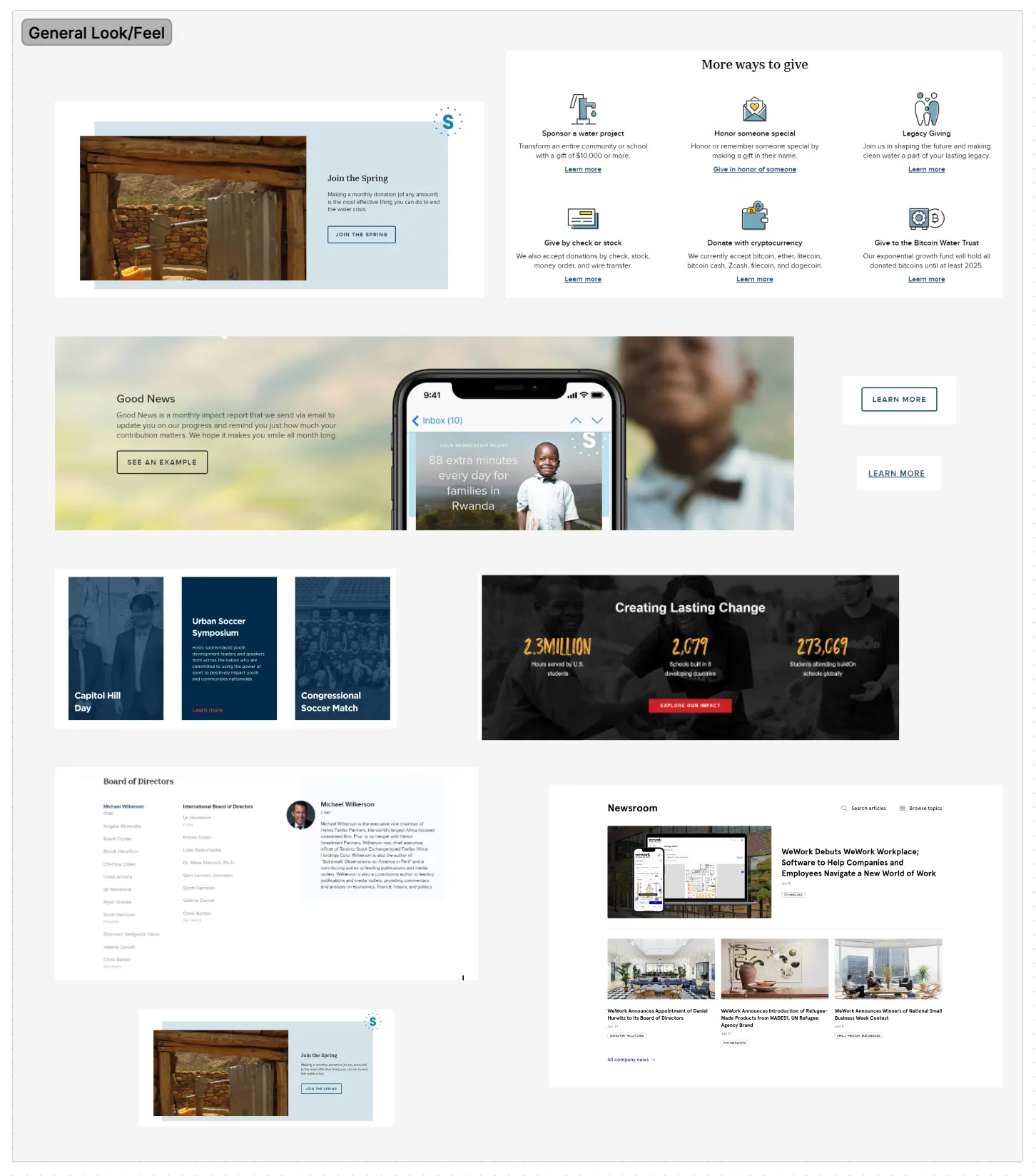
Moodboards:
Collect visual inspiration for your website's aesthetic. Establish a design direction with color schemes, typography, and imagery. Your website's personality is crucial.
4. Wireframe: Building the Foundation
It's time to put pen to paper and sketch out your vision.
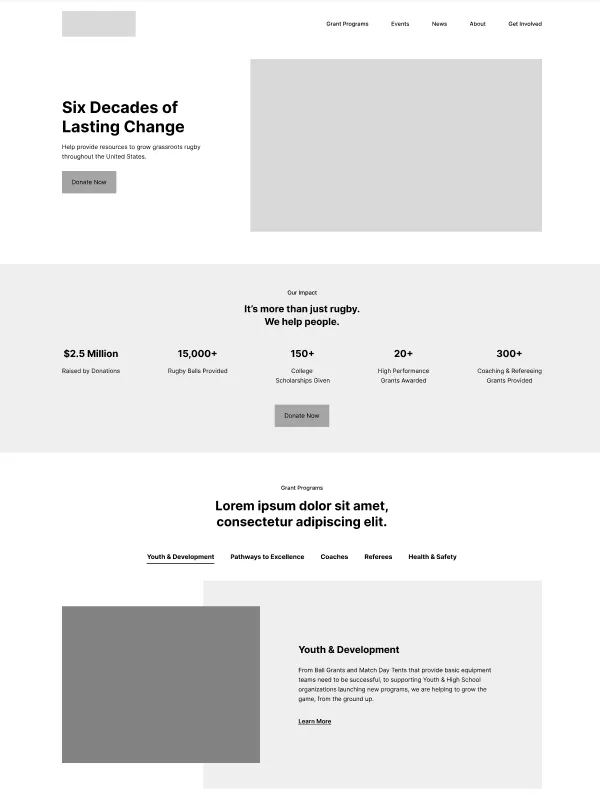
Structural Blueprint:
Create a skeletal outline of your website's layout. Focus on the placement of key elements and user interface components. This is your architectural masterpiece.
User Flow:
Map out the user journey from page to page. Ensure a logical and intuitive navigation experience. Think of it as planning the most scenic route for your users.
5. Design: Bringing Your Vision to Life
Now that you have the map, let's paint the canvas.
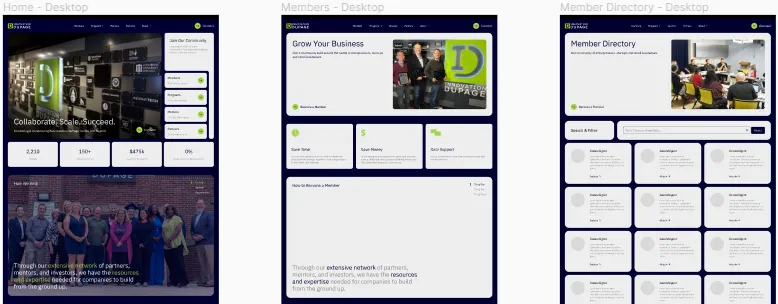
Visual Design:
Develop high-fidelity visual mockups based on the approved wireframes. Pay attention to branding elements, color schemes, and imagery. This is where your website gets its visual identity.
Feedback Loop:
Gather feedback from stakeholders and make necessary adjustments. It's like fine-tuning your playlist for the road trip—make sure it resonates with everyone.
6. Development: Making It Web-Ready with Webflow
Now it's time to build the engine that powers your journey.
Webflow CMS Structure:
Build out all CMS collections and add content if possible. Ensure CMS collection titles follow the sitemap structure where applicable.
Webflow Development:
Translate designs to Webflow, ensuring responsiveness across all breakpoints. Add interactions and animations as planned in the design. It's the engine that keeps your website cruising smoothly.
7. Test: Ensuring a Great User Experience
Before you hit the road, you've got to make sure your vehicle is in top shape.
Quality Assurance:
Conduct thorough testing to identify and fix bugs, broken links, etc. Test the website on multiple browsers and devices for compatibility. Your users deserve a seamless experience.
User Testing:
Gather feedback from real users to identify any usability issues. Make iterative improvements based on user input. It's like having co-pilots giving you directions along the way.
8. Complete: Launching the Website
Time to press the "Go Live" button and share your creation with the world.
Deployment:
Choose a site plan in Webflow and connect your DNS. Publish the website to go live. Your journey begins here.
Monitoring:
Implement tools for monitoring website performance. Address any post-launch issues promptly.
9. Reflecting on the Journey
As you reach your destination, take a moment to look back.
Project Evaluation:
Reflect on the project, considering what went well and areas for improvement. Gather insights to inform future projects because every website process teaches us something new.
Want to learn more? Take a look at what NOT to do with your site in our article Top 5 Common Mistakes Found On Websites.
Related Blogs
Lorem ipsum dolor sit amet, consectetur adipiscing elit, sed do eiusmod tempor incididunt ut labore et dolore magna aliqua. Ut enim ad minim veniam, quis nostru.

8 Tips to Grow Your Email List
Many online publications may try to convince you that email marketing is dead, but as always, you can't believe everything you read online! In fact, to this day, email marketing remains one of the best ways to maximize your business's profit, as the return on investment (ROI) is one of the highest out of all marketing methods (about $36 in return for every $1 spent). Research has shown that almost 100% of consumers check their email on a daily basis. This process occurs on multiple devices: laptops, tablets, work PCs, and of course, mobile phones. Therefore, if your email marketing campaign is well-made and you have a healthy email list, it can significantly benefit your business. Of course, for an email marketing campaign to work, you need to have subscribers, which brings us to the topic of today's article—growing your email list. Below, we will look at eight practical tips to help you get more email subscribers and build your list.

11 TikTok Content Ideas for Businesses
With over one billion users, TikTok can be a useful platform for business owners to promote their products and services if they navigate it correctly. Unfortunately, the sheer amount of content that is posted on TikTok daily can make it difficult for brands to get noticed. Not only is there already pressure to create noticeable and entertaining content, but most TikTok users tend to be turned off by advertisements. Because of this, it’s important that whatever videos you make for your business come across as authentic, personable, and relatable. It can be hard to know where to start, but let’s take a look at some ideas that can help you gain traction and promote your product.

10 Proven Ways to Reduce Your Bounce Rate
Reducing your website’s bounce rate is one of the best things you can do to boost user engagement and site rankings, eventually increasing customer conversions. Many people lack knowledge on what constitutes a good vs. bad bounce rate and how to reduce it. First things first—according to Semrush, “a bounce rate of 56% to 70% is on the high side,” and “an optimal bounce rate would be in the 26% to 40% range.”If your website is struggling to get attention and it’s challenging for you to find leads from web traffic, it might be time to look at what you can do to reduce your bounce rate. Keep reading!
Reimagine Your Digital Impact
Transform your website, pitch decks, sales collateral and more, all with transparent, upfront, pricing.